September 17, 2026
Your roof protects your home from rain, wind, sunlight, falling debris, and changing temperatures, so even minor damage can become a serious concern if it is ignored. Some roofing problems develop slowly, while others appear suddenly after storms or years of wear. Knowing when to call experienced roofers can help homeowners address issues before moisture reaches insulation, ceilings, walls, or structural materials. Warning signs such as active leaks, missing shingles, sagging areas, granule loss, and visible flashing damage should not be overlooked. Paying attention to changes in both the exterior and interior of your home can make it easier to recognize when professional evaluation is needed and when delaying repairs may lead to more extensive work.
1. Noticing Water Leaks or Ceiling Stains
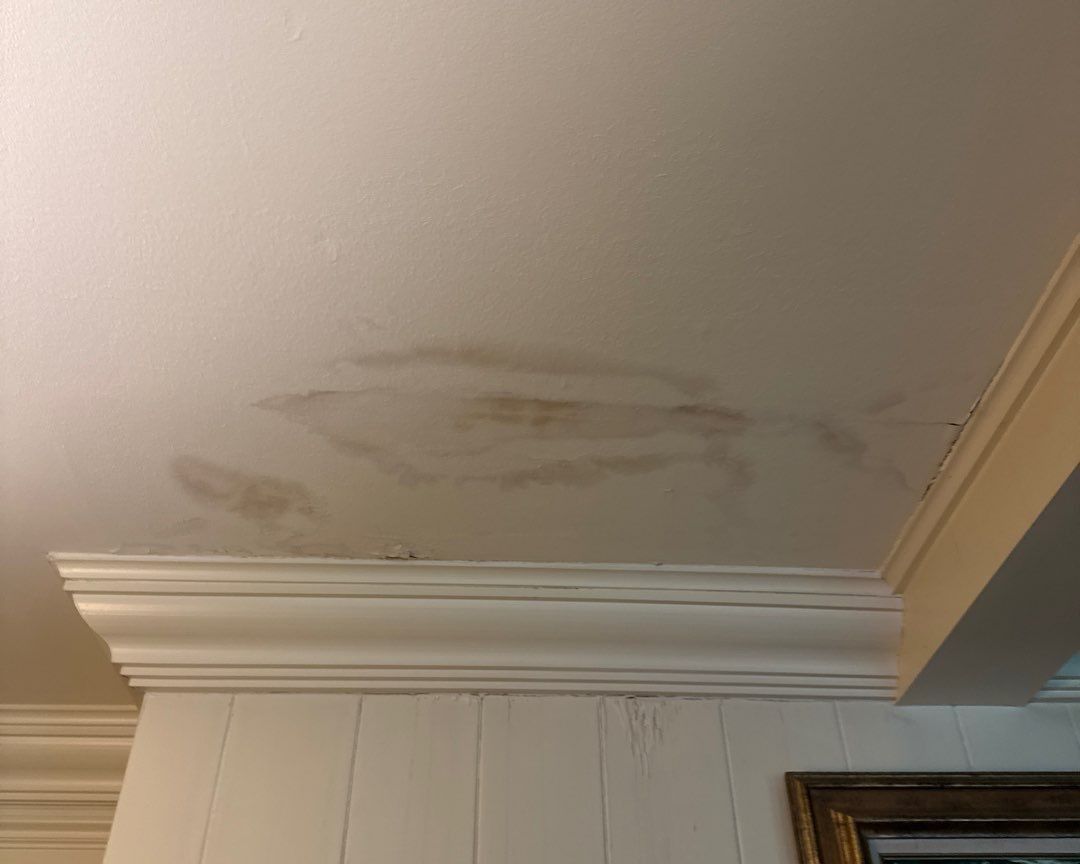
Water entering the home is one of the clearest signs that the roofing system may need immediate attention. Leaks may appear as dripping water during a storm, but they can also be much less obvious. Brown or yellow stains on ceilings, damp spots near walls, peeling paint, or moisture in the attic can all indicate that water is finding a way through the roof. Even a small stain deserves attention because water can travel along rafters, decking, or insulation before becoming visible inside the living space.
Professional roofers can inspect the area above the visible damage and determine whether the source is a damaged shingle, failed flashing, puncture, deteriorated seal, or another roofing problem. Finding the origin of a leak is important because repairing only the interior stain will not stop additional water intrusion. Moisture that remains hidden can contribute to damaged insulation, wood deterioration, and other problems. Addressing the source promptly can help limit how far the damage spreads and reduce the likelihood of more extensive repairs.
2. Finding Missing or Damaged Shingles
Shingles form an important protective layer over the roof deck, so missing, cracked, curled, or broken shingles can leave vulnerable areas exposed. Strong winds, hail, falling branches, temperature changes, and normal aging can all affect shingle condition. Homeowners may notice pieces of shingles in the yard after a storm or see uneven sections when viewing the roof from the ground. Individual damaged shingles may not seem urgent, but openings in the roofing surface can allow water to reach materials underneath.
Experienced roofers can evaluate whether the damage is limited to a small area or reflects a broader problem across the roof. In some cases, individual shingles can be replaced, while widespread cracking, curling, or deterioration may suggest that a larger portion of the roof needs attention. A professional inspection can also identify damage that is difficult to see from ground level. Having compromised shingles evaluated quickly can help restore protection before the next period of heavy rain or severe weather.
3. Seeing Sagging Areas Along the Roof
A roofline should generally appear straight and even, so visible dips or sagging sections can signal a potentially serious issue. Sagging may develop when roof decking becomes weakened by long-term moisture exposure, when structural components deteriorate, or when excessive weight places stress on the system. The problem may be noticeable from outside, or homeowners may see uneven decking or bowed materials while inspecting the attic. Because sagging can involve more than surface-level roofing materials, it should not be treated as a cosmetic concern.
Qualified roofers can inspect the roofing surface and underlying structure to determine what is contributing to the change in shape. Depending on the cause, repairs may involve replacing damaged decking, correcting moisture problems, or addressing structural components. Waiting can allow the affected area to weaken further, particularly if water is continuing to enter the system. A sagging roof warrants prompt professional evaluation so homeowners can understand the extent of the problem and determine what corrective work is appropriate.
4. Discovering Excessive Granules in the Gutters
Asphalt shingles are covered with protective granules that help shield the material from sunlight and everyday weather exposure. Some granule loss is normal, particularly with newer shingles or after severe weather, but large amounts collecting in gutters or at downspout outlets can indicate that the roofing surface is deteriorating. Homeowners may also notice patches on the roof that appear darker or smoother where granules have worn away. This type of wear can become more common as shingles age.
Professional roofers can assess whether granule loss is consistent with normal wear or whether the shingles are approaching the end of their useful life. Excessive loss can reduce the protective qualities of the roofing material and make shingles more vulnerable to further deterioration. An inspection can also reveal whether the issue affects isolated areas or much of the roof. Monitoring granule loss and responding when it becomes significant can help homeowners plan repairs or replacement before additional roofing problems develop.
5. Recognizing Widespread Signs of Roof Aging
Every roofing material has a limited service life, and signs of aging often become more noticeable as the system approaches the point where repairs may no longer be sufficient. Widespread curling, cracking, brittle materials, repeated leaks, discoloration, and frequent repair needs can all indicate that the roof is deteriorating across multiple areas. Homeowners may also find that problems return shortly after previous repairs, suggesting that the condition of the overall system deserves a closer look rather than another isolated fix.
Roofers can help determine whether continued repairs are practical or whether replacement may provide a more appropriate long-term solution. According to HomeGuide, a roof replacement generally takes between one and eight days, with the timeline varying based on the material, size, pitch, and complexity of the roof. Knowing that replacement requires planning is another reason not to wait until the existing roof fails completely. An early assessment gives homeowners time to understand the condition of the system, review available options, and prepare for the work if replacement becomes necessary.
6. Experiencing Repeated Problems After Severe Weather
Storms can expose weaknesses that may not have been obvious beforehand. High winds can lift shingles, hail can damage roofing surfaces, and falling branches can puncture or scrape materials. Heavy rain may also reveal leaks around flashing, vents, valleys, or other vulnerable areas. Even when the roof looks mostly intact from the ground, storm-related damage may be present in areas that are difficult to see. Homeowners should pay particular attention to new leaks, debris around the property, or visible changes in the roof after severe weather.
Contacting roofers after significant weather events can help determine whether the system sustained damage that requires repair. A professional can inspect shingles, flashing, vents, gutters, and other roof components while looking for signs that may not be apparent without closer examination. Prompt attention is especially important when multiple storms have affected the property over time, as repeated exposure can worsen existing weak points. Addressing storm damage quickly can help restore the roof's protective function and reduce the chance that a small issue develops into a larger one.
Roof problems are often easier to manage when they are identified and addressed early. Water stains, damaged shingles, sagging sections, excessive granule loss, deteriorated flashing, widespread aging, and storm-related damage can all signal that the roofing system needs professional attention. Ignoring these warning signs can allow moisture and structural damage to spread beyond the original problem area, potentially making future repairs more complicated. Experienced roofers can evaluate the condition of the system, identify the source of visible concerns, and recommend appropriate next steps based on the extent of the damage. If you have noticed any of these warning signs and want to protect your home from further roofing problems, contact The Roof Co.