October 20, 2026
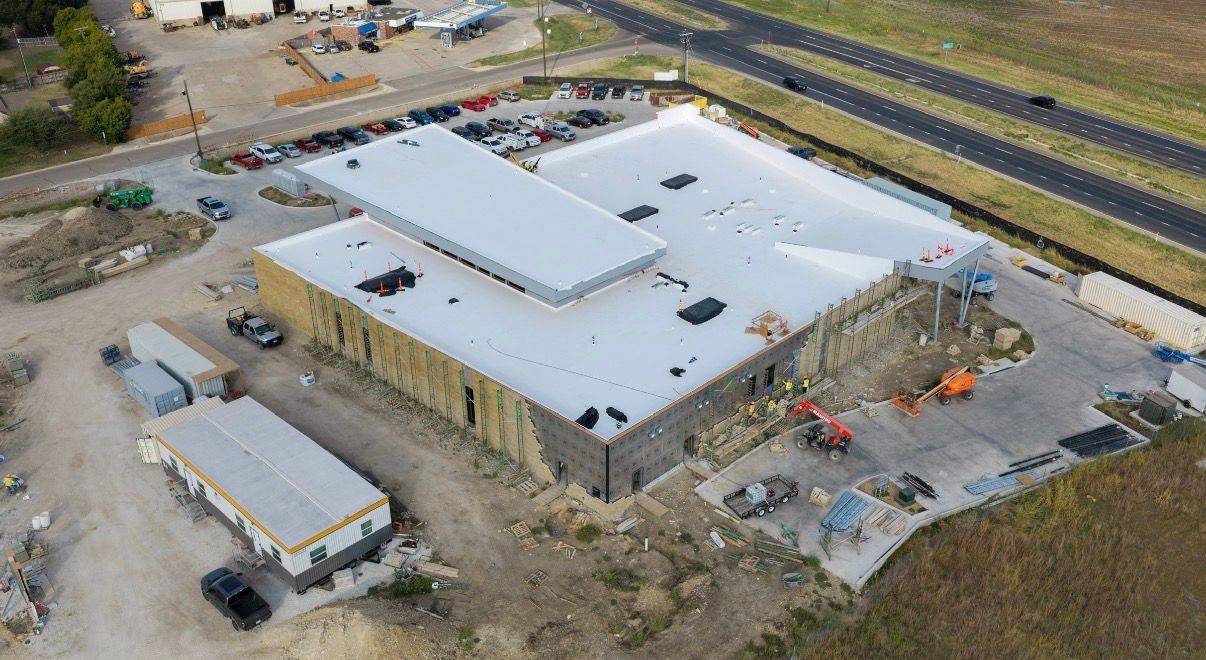
Severe weather events present a continuous challenge to building integrity, with high winds standing out as a major force of physical stress. When powerful gusts hit a commercial facility, air pressure shifts dramatically across the exterior surface. As air moves rapidly over a flat or low-slope structure, it creates an intense upward lifting force, particularly around perimeter edges, corners, and parapets. Commercial roofing companies regularly analyze these pressure dynamics to determine how structural layouts and material weights will respond during violent weather. Failing to account for atmospheric pressure differentials can leave a facility susceptible to sudden membrane displacement or total panel tearing. By working with commercial roofing companies, facility managers gain access to structural evaluations that identify how wind loads interact with specific building designs, ensuring that every square foot of the roof assembly is prepared to handle severe uplift pressures.
Evaluating Material Resilience Under Extreme Uplift
The choice of cover material dictates how well a roof withstands severe weather conditions without structural degradation. According to Roofer’s Guild, metal roofs can withstand winds up to 140 mph on average, making metal single-ply assemblies and standing seam configurations exceptional options for high-wind geographic regions. Beyond metal, heavy-duty membranes such as reinforced thermoplastic polyolefin (TPO), polyvinyl chloride (PVC), and modified bitumen offer strong resistance against extreme gusts when installed to correct specifications. Commercial roofing companies look closely at tear resistance, tensile strength, and material flexibility under rapid thermal and atmospheric shifts. Selecting a material that matches the specific wind zone requirements of your area is fundamental to avoiding costly storm damage. Experienced commercial roofing companies guide building owners toward structural systems engineered to absorb dynamic pressure without splitting, cracking, or separating from the deck below.
Understanding the Critical Role of Edge Metal and Perimeter Securement
Perimeter edges and corners experience the highest concentration of wind stress during severe storms, making edge metal securement a vital defense line. When wind hits the vertical fascia of a building, it travels upward and creates an intense peeling force along the roof rim. If the edge metal is inadequately fastened or improperly sized, strong gusts can hook under the flashing, lifting the entire membrane off the deck like a sail. Commercial roofing companies prioritize heavy-gauge fascia systems, continuous cleat attachments, and coping caps that conform to strict wind resistance standard guidelines. By reinforcing perimeter zones with custom-engineered metal coping and heavy-duty cleat configurations, commercial roofing companies stop wind from establishing a leverage point beneath the roof cover, ensuring the membrane remains firmly anchored across the entire footprint.
Optimizing Roof Attachment Systems for Maximum Wind Resistance
How a roofing system connects to the underlying deck determines its ultimate ability to survive severe weather intact. Roofing assemblies generally rely on fully adhered, mechanically attached, or ballasted installation methods. In high-wind locations, fully adhered systems—where membranes are glued directly to insulation boards or cover boards using strong adhesives—offer continuous uplift resistance without creating mechanical penetration points. Alternatively, mechanically attached systems utilize precise fastener spacing along membrane seams, which must be carefully calculated based on local wind load charts. Commercial roofing companies assess structural deck types, building height, and regional weather patterns to specify the ideal fastening strategy. By partnering with commercial roofing companies, property owners can ensure that attachment patterns are correctly engineered to prevent membrane detachment during violent storms.
Protecting Rooftop Equipment and Penetrations
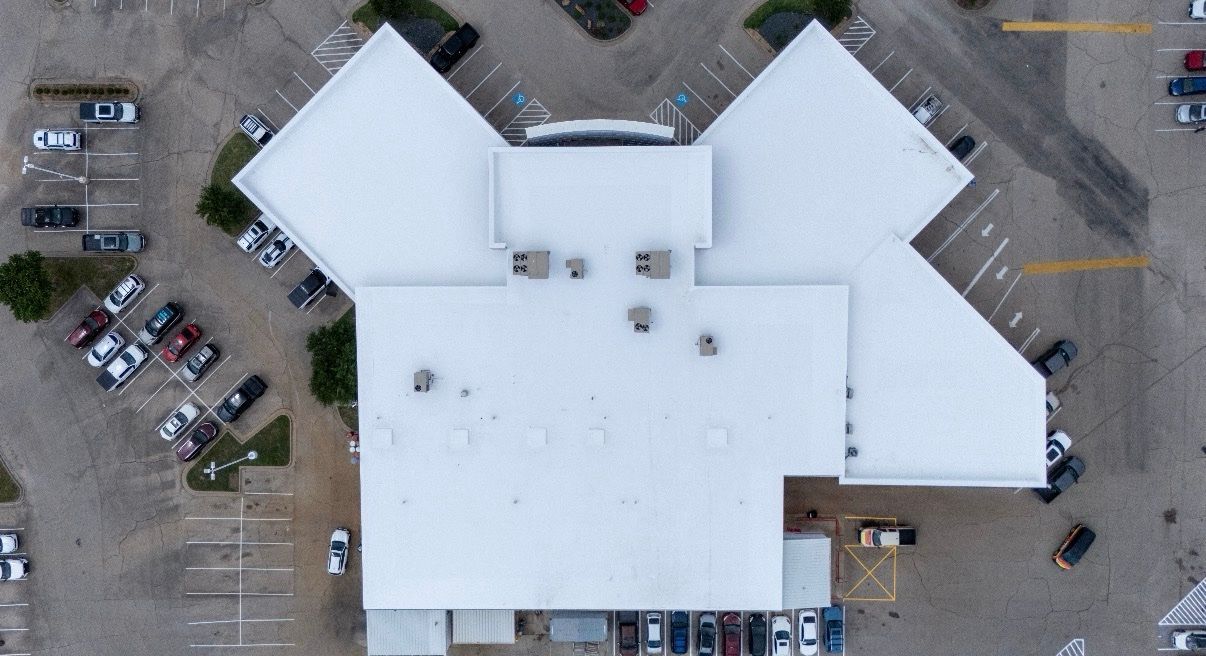
Commercial rooftops frequently hold vital equipment, including heating, ventilation, and air conditioning (HVAC) units, exhaust fans, solar panels, and skylights. These mechanical penetrations create interruptions in the continuous roof membrane and can become severe vulnerabilities during high-wind events. Unsecured equipment can shift, tip over, or tear away from mounting curbs, creating massive openings for water infiltration. Commercial roofing companies emphasize the need for heavy-duty structural anchoring, vibration isolation curbs, and streamlined equipment layout designs that minimize wind resistance. Additionally, commercial roofing companies inspect flashing details around pipes, vents, and curbs to ensure that flexible sealants and metal pitch pans remain fully intact, preventing wind-driven rain from penetrating the building interior.
Preventing Wind-Driven Rain Infiltration
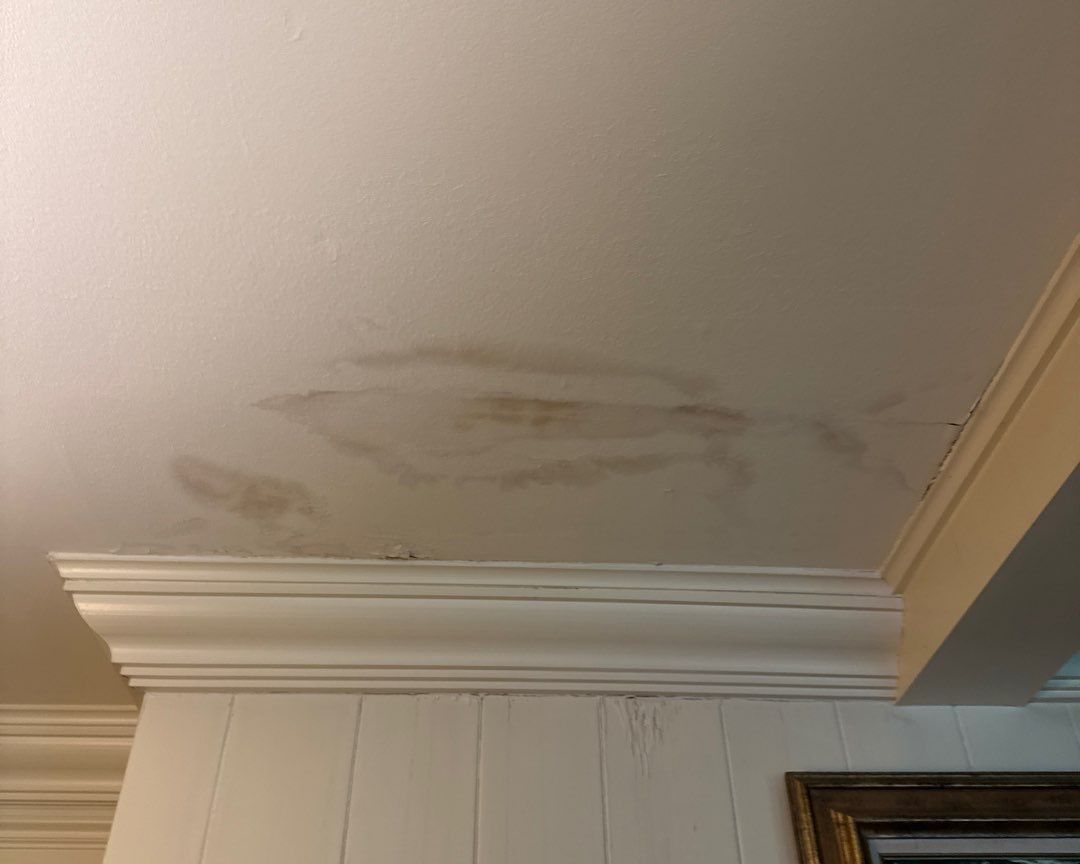
High winds rarely occur in isolation; they are almost always accompanied by heavy, horizontal precipitation that tests every seam and penetration. Wind-driven rain can force water upward under loose flashing, inside overlapping membrane seams, and through tiny gaps in exterior masonry. Commercial roofing companies utilize hot-air welded seams for thermoplastic materials, multi-ply redundancy in asphalt systems, and heavy-duty liquid membranes around complex penetrations to create impenetrable barriers. By eliminating tiny openings where water could be driven under pressure, commercial roofing companies ensure that the building remains completely watertight even when subjected to hurricane-force winds and torrential downpours.
Implementing Routine Structural Inspections and Preventive Care
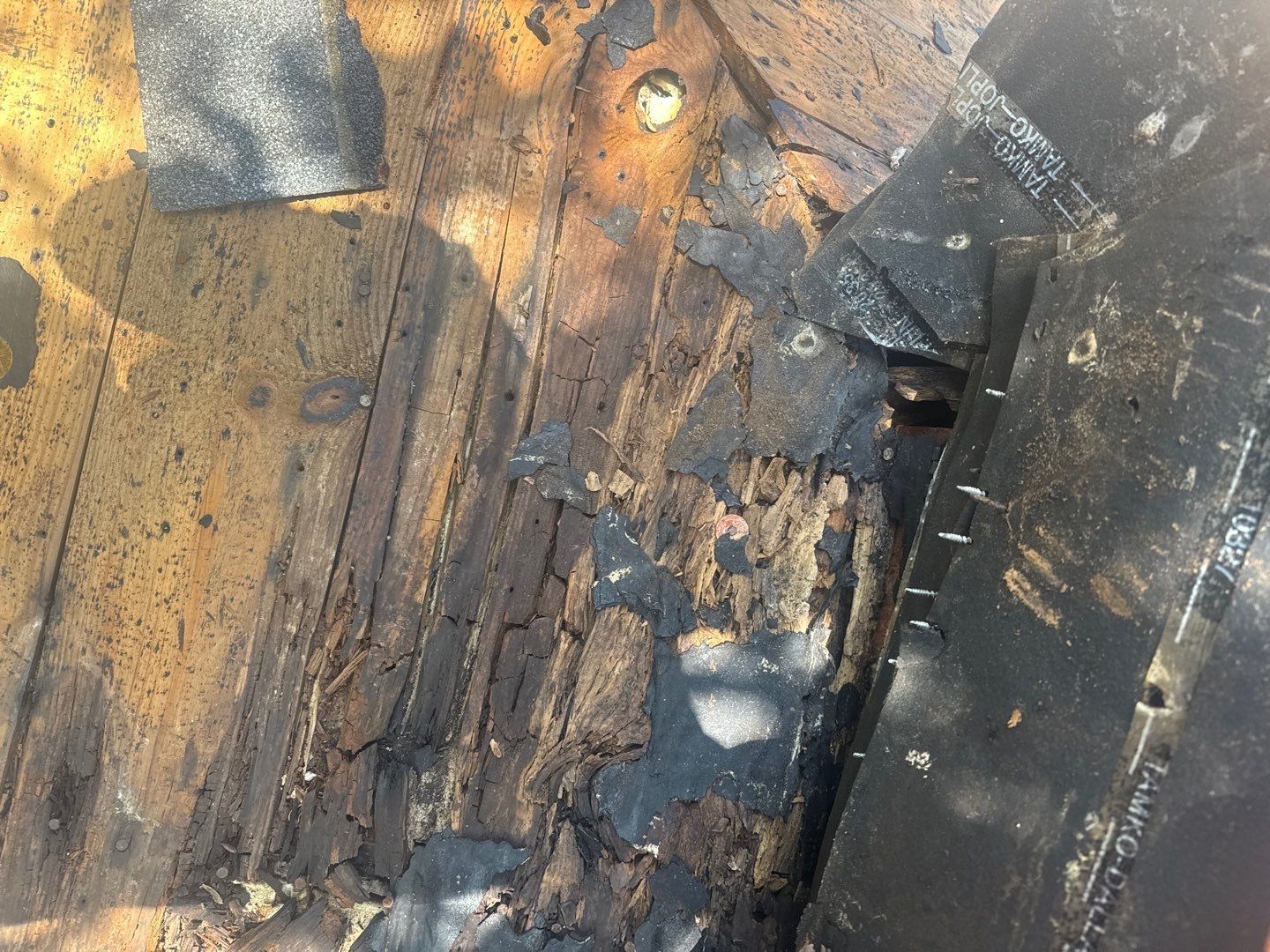
Preventive maintenance is essential for preserving high wind resistance over time, as subtle material degradation can lead to sudden failure during a storm. Small issues like loose fasteners, worn sealant along pitch pockets, or minor edge metal separation can quickly turn into major catastrophic structural failures when subjected to gale-force winds. Commercial roofing companies recommend conducting comprehensive bi-annual inspections, supplemented by immediate assessments following any major weather event. During these professional evaluations, commercial roofing companies inspect seam integrity, check drain clearings, examine fastener torque, and repair surface wear before severe weather arrives to exploit these minor weaknesses.
Understanding Regional Wind Zones and Building Code Compliance
Building codes vary significantly across regions, with local authorities establishing minimum uplift guidelines based on historical weather patterns, topography, and proximity to coastal areas. Designing a compliant commercial roof requires a detailed understanding of wind maps, building height calculations, and exposure categories. Commercial roofing companies stay updated on evolving building codes and engineering mandates to guarantee that every replacement or repair meets local structural mandates. By collaborating with commercial roofing companies, facility managers gain confidence that their properties fulfill all legal safety requirements while maintaining maximum structural defense against extreme atmospheric uplift.
Evaluating the Impact of Parapet Walls on Aerodynamics
Parapet walls act as critical aerodynamic deflectors on commercial roofs, altering how wind forces interact with the building envelope. A properly proportioned parapet wall pushes approaching wind currents upward and over the main roof surface, significantly reducing direct uplift pressures along perimeter edges. Commercial roofing companies often recommend installing or modifying parapet caps and wall flashing to improve wind deflection capabilities. When commercial roofing companies evaluate building architecture, they analyze parapet height in relation to total surface area, ensuring that wall structures are structurally sound and finished with durable membrane coverings that resist wind tearing.
Developing a Comprehensive Emergency Storm Response Plan
Even the strongest structural roofs require a clear action strategy to handle severe weather events effectively. Developing a formal emergency response plan minimizes operational downtime and helps prevent secondary interior damage after a storm passes. Commercial roofing companies help facility directors establish pre-storm prep checklists, such as clearing rooftop drains, removing loose maintenance debris, and securing mechanical access doors. Following a severe storm, commercial roofing companies provide prompt emergency response assessments to identify subtle uplift damage, complete temporary tarping or patch repairs, and document conditions for insurance claims, ensuring your facility returns to normal operation safely and quickly.
Defending a commercial facility against severe wind forces requires a proactive strategy that combines proper material selection, precise attachment engineering, and regular maintenance. From securing vulnerable edge flashing and reinforcing penetrations to selecting wind-rated materials and maintaining compliance with local building codes, every structural detail plays a critical role in preserving roof integrity. Partnering with experienced professionals ensures that your property remains resilient against volatile weather patterns for years to come. For expert assistance in securing your facility against severe weather, contact The Roof Co. today to schedule a thorough roof evaluation and discuss tailored structural solutions.