July 21, 2026
Homeownership comes with significant maintenance responsibilities that you can't ignore if you want to maintain your property value. Protecting this investment should always remain a top priority. The roof over your head provides essential protection against harsh weather elements and keeps your interior living space safe. Over time, constant exposure to high winds, rain, and direct sunlight naturally degrades your roofing materials. Many homeowners struggle to determine exactly when a complete replacement becomes necessary for their safety. Ignoring early warning signs often leads to severe water damage throughout your home.
Recognizing the signs of surface deterioration early saves you from paying for expensive interior repairs down the road. Making the right choice protects your household. While visual inspections from the ground are helpful, professionals possess the trained eye required to spot hidden problems you might miss. When you contact reliable local roofing companies to assess your property, their technicians evaluate specific structural criteria to determine the remaining lifespan of your current materials before problems arise.
1. Shingle Damage and Noticeable Wear
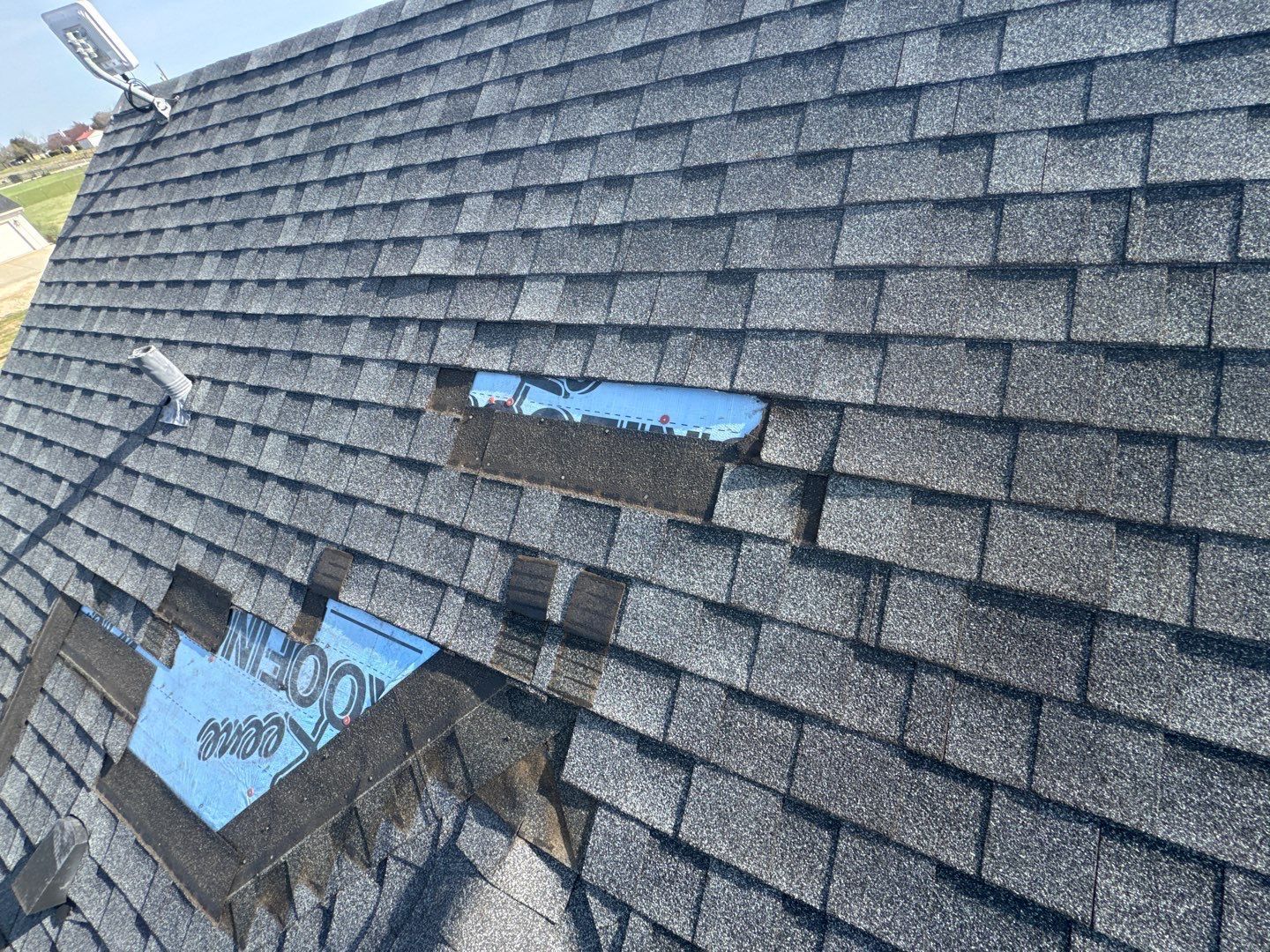
The most obvious indicator of a failing roof involves the physical condition of the shingles themselves. Asphalt shingles endure constant punishment from the elements year after year and eventually begin to show clear signs of their age. Inspectors carefully examine the surface for shingles that appear cracked, curled, or completely missing from the deck. When shingles curl at the edges, they leave the underlying materials highly vulnerable to unexpected moisture intrusion.
Another critical aspect of shingle health relates to the protective granules embedded in the surface layer. These essential granules shield the asphalt coating from ultraviolet rays and provide fire resistance. As the system ages, these granules naturally loosen and wash away during heavy rainstorms. Finding large, heavy accumulations of mineral granules in your gutters serves as a major red flag for homeowners. Experienced local roofing companies look closely at granule loss to gauge material degradation.
Beyond missing granules and warped shapes, inspectors search for dark streaks or patches of organic growth. Algae and moss thrive in shaded areas that remain damp for extended periods. Thick moss actively damages the exterior materials by lifting the delicate edges of your shingles and trapping moisture against the underlayment. Identifying these damaged areas early allows professionals to assess whether spot repairs will suffice or if the wear warrants a new installation.
2. Sagging Roof Decks and Structural Issues
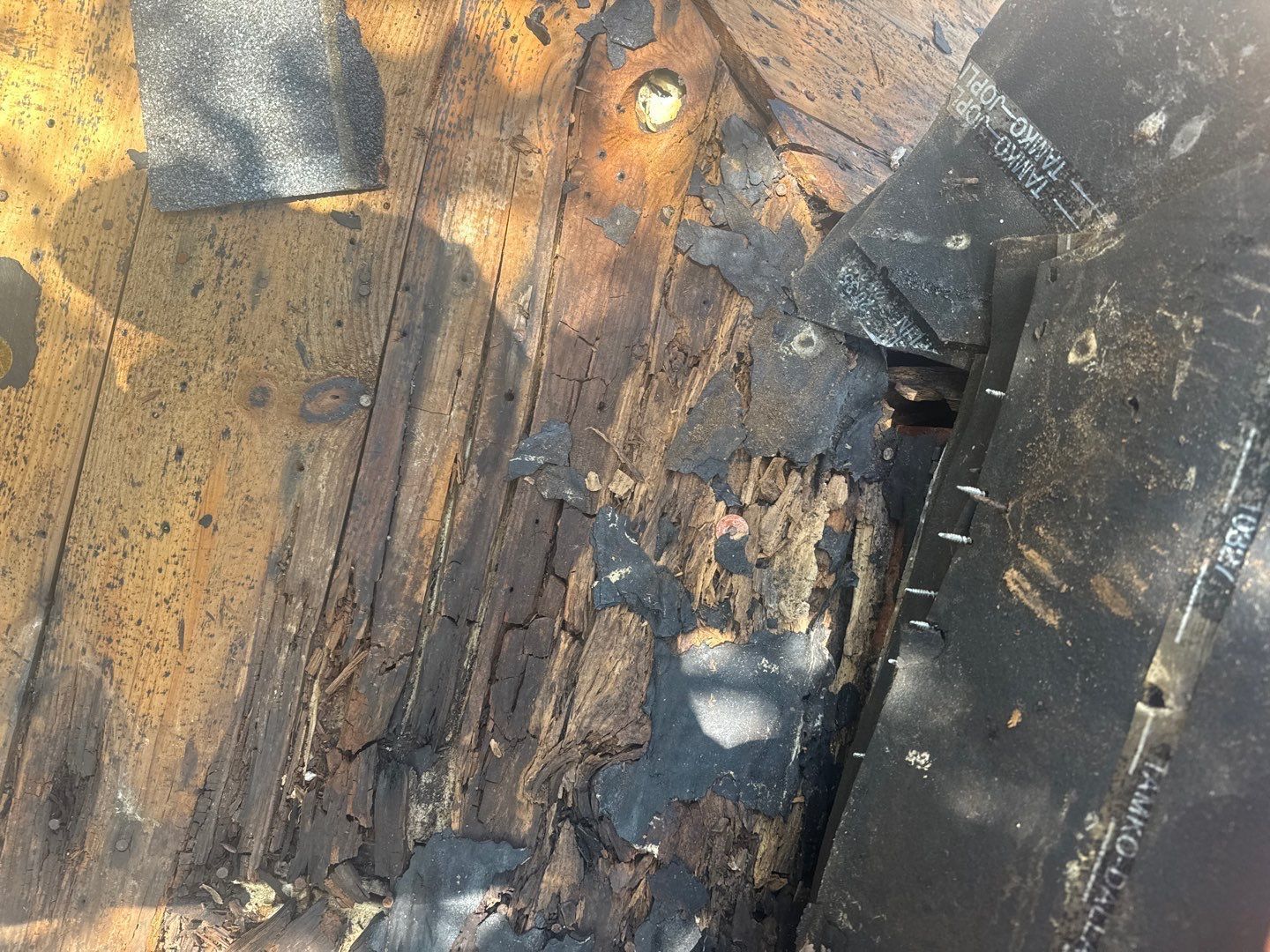
A healthy roof should always feature straight and uniform lines across every ridge and valley. Any visible sagging or drooping indicates a severe problem with the structural integrity of the deck or the supporting trusses underneath. When moisture penetrates the outer defenses of your home, it'll eventually reach the wooden decking panels. Prolonged exposure to trapped water causes this vital wood to rot, decay, and warp significantly over the seasons.
Inspectors evaluate the straightness of your roofline from multiple angles outside your house. They pay special attention to the areas between the rafters where rotting plywood tends to bow inward under pressure. If the ridge line appears wavy rather than straight, professionals know immediately that structural deterioration is occurring. Addressing a sagging deck is absolutely critical because ignoring the issue could eventually lead to a disastrous structural collapse.
To investigate structural concerns further, inspectors often examine the underside of the decking from within your attic space. Examining the attic allows them to check for soft spots in the wood and look for visible water stains. They gently press on the decking to feel for any sponginess that indicates active wood rot. High-quality local roofing companies always prioritize structural safety for your family and recommend a full replacement for weak decking boards.
3. Flashing Failures and Vulnerable Seams
The continuous surfaces of your exterior are relatively easy to waterproof, but the areas where different angles meet require special attention. Flashing consists of thin metal strips installed around chimneys, skylights, vent pipes, and valleys to direct water away from vulnerable seams. Because these intersections experience the highest volume of rushing water runoff, they represent common starting points for serious, damaging leaks. Inspectors carefully scrutinize these materials.
Over the years, the metal components of your flashing expand and contract with seasonal temperature changes. This constant movement eventually causes the sealing materials around the flashing to crack, dry out, and break away completely. Once the sealant fails, rain makes its way underneath the metal strips and travels into your ceiling cavities. Professionals check carefully to see if the metal itself has oxidized, rusted, and deteriorated completely beyond repair.
Replacing the flashing correctly requires removing the surrounding materials to secure the metal directly to the deck. Because this process is intensive, it's often logical to perform a complete replacement rather than attempting isolated flashing repairs. According to Medium, it typically takes three to seven days to install a new roof. Reputable local roofing companies frequently highlight these extremely vulnerable areas when explaining why a complete system overhaul is practically necessary.
4. Interior Water Damage and Hidden Leaks
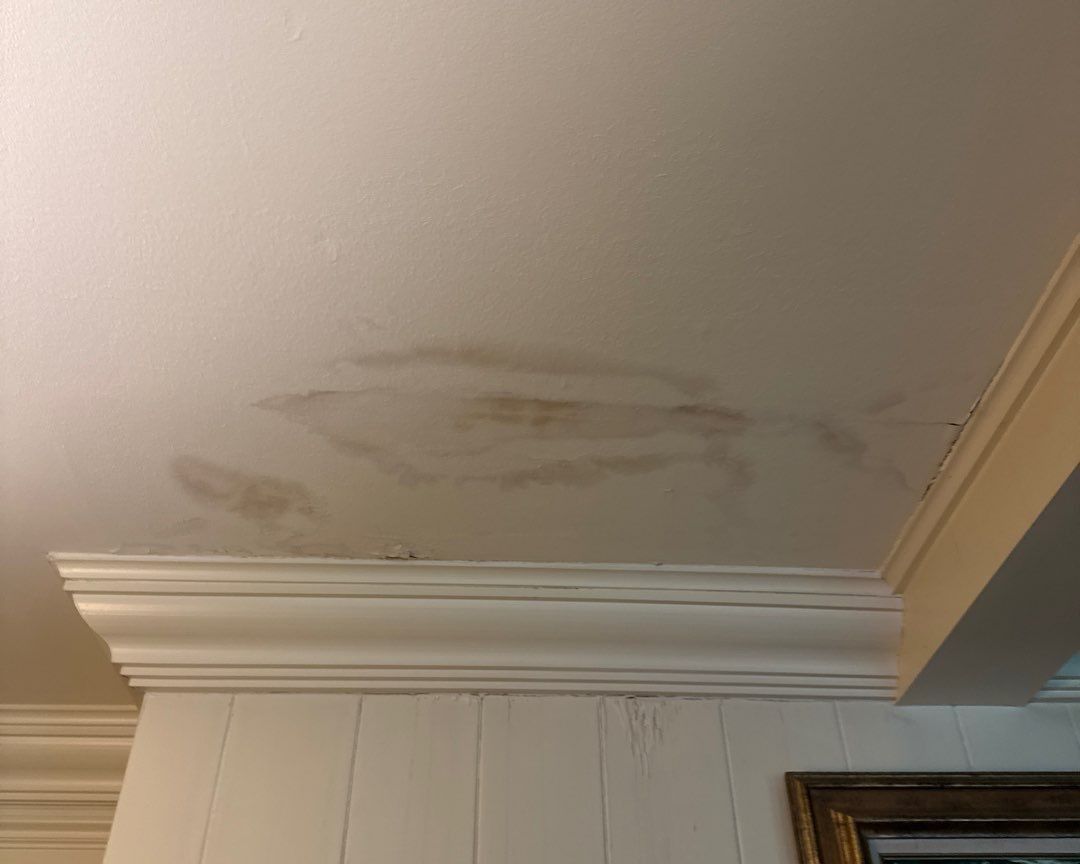
Sometimes the most alarming signs of a failing weatherproofing system appear directly inside your living spaces rather than on the exterior. Water leaves very distinct evidence as it travels from the attic down through your ceilings and walls. Inspectors know that by the time you see brown rings on your drywall, the water has already caused significant unseen damage. Tracking these unsightly stains helps professionals determine the exact barrier failure severity.
Beyond obvious discoloration, water intrusion causes paint to bubble and wallpaper to peel away from the wall surface. You might also notice a persistent damp or musty odor lingering in specific rooms or hallway closets. These interior symptoms indicate that moisture is actively entering the home every time it rains and failing to dry out completely. Professionals rigorously evaluate the true scope of this ongoing interior damage to plan a proper fix.
Attic insulation offers another major clue about the history of water intrusion in your house. When fiberglass insulation gets soaking wet, it compresses and loses its ability to regulate the temperature of your home. Finding discolored or moldy insulation directly beneath the roof deck confirms that the system has failed. Reliable local roofing companies meticulously check these specific interior spaces to ensure they provide an entirely accurate diagnosis.
Maintaining a secure and watertight home requires paying close attention to the overall health of your exterior materials. Ignoring curled shingles, sagging decks, rusted flashing, or interior water stains only allows the damage to multiply over time. Understanding exactly what professionals look for during an inspection empowers you to spot these red flags early before they lead to catastrophic structural failures. Scheduling a comprehensive evaluation gives you a clear picture of your property needs.
Taking proactive steps to address wear and tear protects the massive financial investment you've made in your property. While replacing your weatherproofing system requires a significant upfront financial commitment, it secures your home against devastating moisture intrusion for decades. Don't wait until water starts pouring through your ceiling to assess the condition of your shingles.
Ready to have your roof inspected by professionals for any hidden damage? Give our experienced team a call today at The Roof Co. You'll see why we stand out from other local roofing companies in the region.