March 24, 2026
In recent years, there has been a significant shift towards sustainable and durable building practices. Among these advancements, commercial metal roofing has emerged as a prominent solution for enhancing energy efficiency and providing robust protection for structures. This article explores the comprehensive benefits of metal roofing in commercial applications and how it contributes to energy savings and building longevity.
The Thermal Properties of Metal Roofing
Reflectivity and Emissivity
Metal roofing is uniquely designed to reflect more sunlight than traditional roofing materials due to its high reflective properties. Its ability to emit the absorbed heat effectively, a characteristic known as emissivity, further consolidates its energy-efficient nature. This dual action reduces the amount of heat transferred into a building, keeping interiors cooler in hot climates. As a result, businesses relying on metal roofing experience significant reductions in air conditioning requirements. Consequently, this leads to lower electricity bills and contributes to an overall decrease in the building’s carbon footprint.
Impact of Metal Color on Heat Absorption
The color of a metal roof plays a critical role in its heat absorption properties. Light-colored metal roofs tend to reflect more sunlight, minimizing the heat absorbed and transmitted into the building. Darker colored metals, while absorbing more heat, are often coated with reflective pigments to mitigate this effect. By selecting the appropriate color, businesses can tailor the thermal performance of their metal roofing to local climate conditions. This customization enhances the building's energy efficiency and contributes further to utility savings.
Role of Insulated Metal Panels
Insulated metal panels (IMPs) offer enhanced thermal performance due to their sandwich-like structure comprising metallic faces and a core insulation layer. This configuration provides excellent thermal resistance, significantly reducing heat transfer and improving overall energy efficiency. IMPs contribute to consistent indoor temperatures, thus ensuring comfort for building occupants and further reducing heating and cooling costs. As such, the implementation of these panels is a strategic choice in achieving superior energy efficiency standards in commercial construction. Enhanced insulation properties also align with sustainable building practices, offering long-term savings and environmental benefits.
Thermal Bridging Reduction
Metal roofing effectively addresses the issue of thermal bridging, which occurs when highly conductive materials facilitate heat transfer. To counteract this, metal roofing systems can be designed with thermal breaks which inhibit the conduction of heat across structural elements. This design principle significantly reduces energy losses, further boosting a building's overall thermal efficiency. By minimizing thermal bridging, metal roofing systems help maximize the performance of heating and cooling systems. This ensures consistent and comfortable indoor conditions while optimizing energy usage.
Comparison with Traditional Roofing Materials
Compared to traditional roofing materials, metal offers superior thermal performance and energy-saving advantages. Unlike conventional options such as asphalt shingles, metal roofing materials do not retain heat, thus efficiently reducing the heat island effect in urban settings. Additionally, metal roofs require little to no maintenance and have a lifespan that far exceeds that of alternative materials. This longevity, coupled with superior energy efficiency, offers businesses a cost-effective and environmentally friendly choice in the long run. The inherent properties of metal roofing make it a standout choice for sustainable building endeavors.
Energy Efficiency Improvements
Reduction in Cooling Costs
Commercial metal roofs are adept at significantly lowering cooling costs due to their inherent reflective properties. By reflecting solar radiant energy, these roofs substantially decrease the amount of heat penetrating the building, reducing the reliance on cooling systems. As a result, businesses can observe a marked decrease in energy expenditures, leading to improved financial efficiency. This reduction in cooling load also contributes to a lowered environmental impact, aligning with the sustainable goals of modern commercial structures. Such attributes illustrate why business owners of energy-conscious buildings often opt for metal roofing solutions.
Heating Efficiency during Cold Months
Metal roofing not only excels in reducing cooling costs but also enhances heating efficiency during colder periods. Through the use of additional insulation layers or insulated metal panels, metal roofs retain indoor heat more effectively than many conventional roofing options. This capacity to conserve heat ensures minimal energy loss, particularly in extreme temperatures, and provides a comfortable environment for building occupants. As a result, heating systems operate less frequently, translating to significant energy savings during the winter months. Thus, metal roofing proves itself as an all-year-round ally in energy efficiency.
Use of Cool Roof Coatings
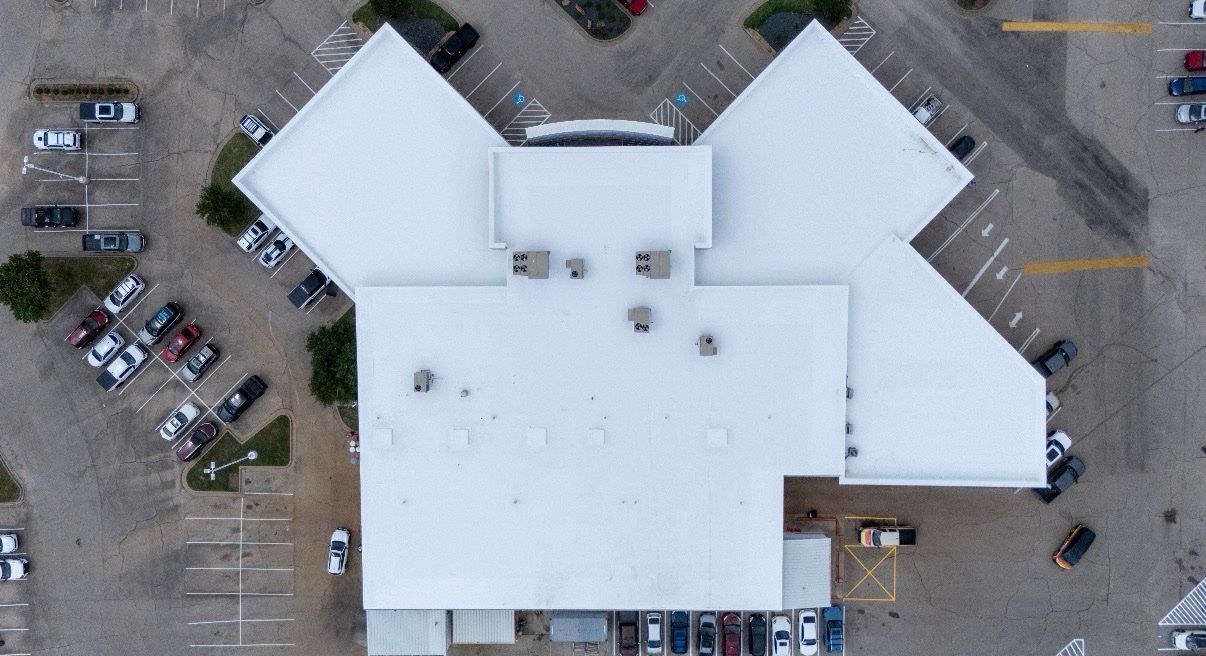
The application of cool roof coatings is a notable feature that enhances the efficiency of metal roofing systems. These coatings involve reflective pigments that boost traditional metal's ability to reflect sunlight, thereby keeping buildings cooler. Cool roof coatings are particularly beneficial in urban areas where the heat island effect is prevalent, offering an effective measure to mitigate this environmental concern. Models have shown that such coatings can lower roof temperatures by up to 50°F. Integrating this technology in metal roofing systems significantly supports energy conservation and further contributes to a building's energy-efficient narrative.
Compliance with Energy Codes and Standards
Commercial metal roofing stands out for its ability to meet and often exceed rigorous energy codes and standards. These systems support compliance with requirements set by bodies such as the International Code Council, ensuring new constructions align with sustainable practices. Such alignment not only guarantees a reduction in energy consumption but also provides financial incentives in the form of tax credits and rebates. By choosing metal roofing, businesses receive the assurance of regulatory compliance and the associated economic benefits. The adoption of energy-efficient metal roofs is a proactive step into the future of building design.
ROI and Long-Term Energy Savings
The implementation of commercial metal roofing represents a strategic investment with significant returns in energy savings. Although the initial installation costs are higher than traditional systems, the long-term benefits accrue through decreased energy expenses and maintenance needs. Business operators experience a swift return on investment, often recovering the costs within a few years. Furthermore, the lifespan of metal roofing guarantees sustained energy efficiency and minimized operational costs over time. Collectively, these factors underscore the economic viability and the enduring appeal of metal roofing solutions for commercial enterprises.
Durability and Longevity of Metal Roofing
Resistance to Weather Elements
Commercial metal roofs are engineered to withstand extreme weather conditions, providing unrivaled protection against natural elements. Their resilience against impact, dents, and corrosion ensures they remain functional for decades without significant degradation. According to Roofer’s Guild, metal roofs can withstand winds up to 140 mph on average, offering significant protection against violent storm systems and hurricanes. This superior resistance to weather hazards reduces repair costs related to storm damage and increases overall building integrity. As a result, businesses benefit from reduced insurance premiums and confidence in their building's ability to withstand natural adversities.
Longevity Compared to Other Materials
Metal roofing's longevity sets it apart from other traditional building materials, often lasting twice as long. Properly installed and maintained, a metal roof can serve a building effectively for over 50 years, far surpassing the lifespan of asphalt shingles or wood. This exceptional durability ensures that metal roofs deliver long-term value to commercial properties, providing consistent energy savings and reduced maintenance costs. As a result of this extraordinary longevity, businesses are afforded peace of mind knowing their roofing investment will outperform other options. Therefore, metal roofing remains a solid choice for sustainable, forward-thinking construction projects.
Commercial metal roofing offers unparalleled advantages in terms of energy efficiency, environmental sustainability, durability, and design. By investing in metal roofing, businesses not only enhance their building’s energy performance but also protect their assets against natural calamities, all while maintaining aesthetic appeal. It is a forward-thinking choice that aligns with modern eco-friendly construction practices and ensures long-term benefits both economically and environmentally. Be sure to reach out to The Roof Co today for more information on our professional commercial roofing!