April 20, 2026
The importance of regular residential roof inspections cannot be overstated. A proactive approach to identifying potential problems early can save you significant amounts of money and stress. Regular roof inspections by a local roofing company not only help in spotting issues before they balloon into costly repairs but also contribute to extending the lifespan of a roof. Let's delve into the intricacies of residential roof inspections, highlighting common issues, effective inspection techniques, and the benefits of early detection in saving repair costs.
Why Regular Inspections Are Crucial
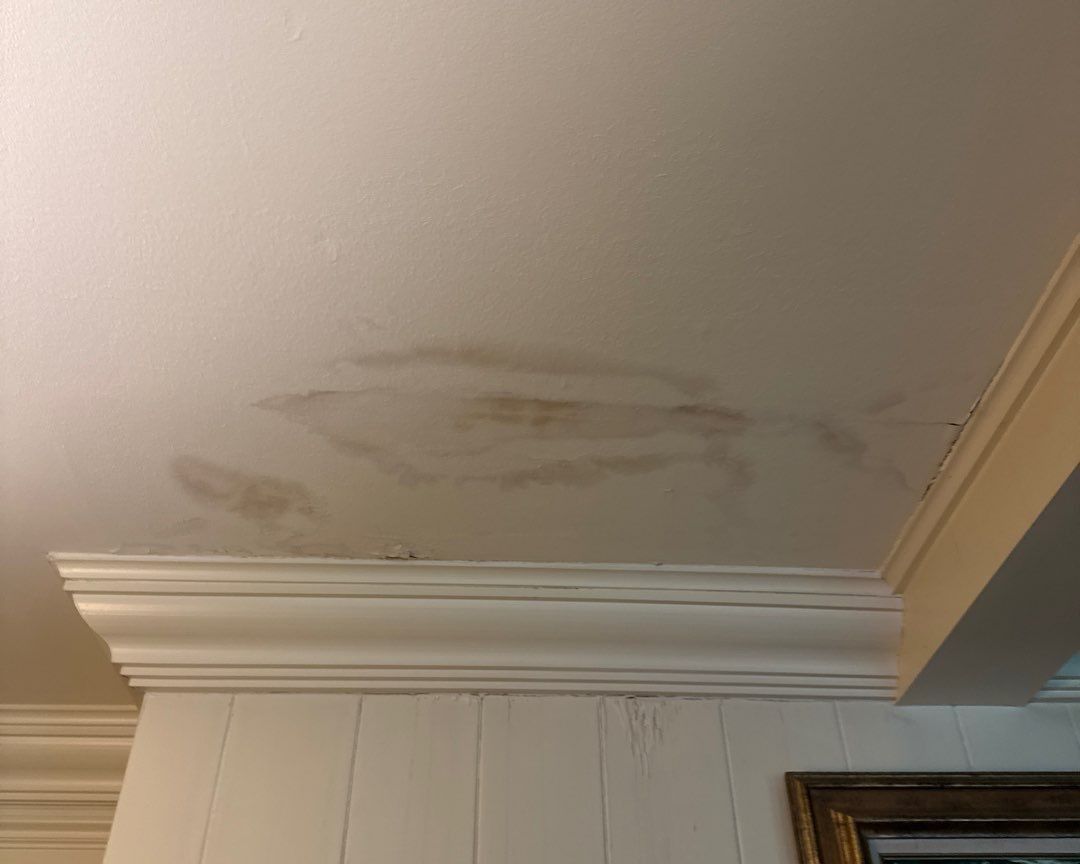
Regular roof inspections are vital because they allow homeowners to identify potential problems before they become severe. Spotting a minor leak early can prevent extensive water damage, saving thousands in repairs. Regular inspections by a local roofing company also ensure that the roof remains in optimal condition, conserving energy and enhancing the home's longevity. A well-maintained roof can also improve home value, making it a vital part of property investment. Furthermore, it provides homeowners with confidence that their roof is secure and functioning as required.
Inspections play a significant role in maintaining the aesthetic appeal and structural integrity of a home. Early detection of issues such as loose shingles or damaged flashing can avert major repairs. Notably, by identifying and addressing these problems promptly, homeowners help preserve the integrity of their protection against the elements. Through routine inspections, occupants can also ensure proper insulation, reducing energy costs. This demonstrates the importance of a proactive approach to roof maintenance.
According to the U.S. Bureau of Labor Statistics, employment for roofers is projected to grow 6% from 2024 to 2034, indicating a growing emphasis on roofing maintenance. As more homeowners recognize the necessity of roof maintenance, the demand for skilled professionals rises. Regular inspections contribute to this professional demand by fostering a preventative culture. Timely detection and resolution of roof issues align with this trend, making regular inspections an essential aspect of homeownership. The growth in roofing employment underscores the importance of maintaining a well-functioning roof.
Understanding Different Roof Types
Roofs come in various types, each with unique characteristics that require specific inspection methods. Common types include asphalt shingles, metal roofs, tiles, and flat roofs, each with its strengths and vulnerabilities. Understanding these types aids in targeting specific areas during inspections, ensuring thorough evaluations. For instance, while shingle roofs may require inspections for granule loss, metal roofs need checks for corrosion and fastener integrity. Recognizing the distinctions among roof types is essential to conducting effective assessments.
Different roof types possess varied lifespans, influencing inspection frequency and maintenance requirements. By understanding the expected longevity and wear patterns of a roof type, you can time your inspections and maintenance schedules more accurately. Roof type determines the materials used and the particular conditions they must endure, such as wind stress or moisture exposure. Therefore, it's crucial to tailor inspection strategies according to these specific requirements.
Each roof type faces distinct weathering patterns, demanding tailored inspection checklist items. Metal roofs, for instance, require inspectors to focus on potential rust spots or loose screws, while tile roofs necessitate checks for cracking or displacement. Asphalt shingles need careful examination for curling or bald spots, indicating wear. For flat roofs, pooling water or membrane damage are key focus areas. Understanding these specific needs ensures inspections are targeted, allowing for effective preventive measures.
Key Components of a Roof to Inspect
Key components that should be inspected include shingles, flashing, gutters, vents, and the roofing material's condition. Examining shingles involves checking for granule loss, curling, or missing pieces, which could signal wear. Flashing, often around vents and chimneys, requires checks for corrosion or gaps that may allow water seepage into the roof underlayment. Gutters and downspouts should be inspected for blockage and damage, ensuring proper water drainage and preventing further structural damage. Vents and roofing materials should be carefully assessed for damage that may affect roof performance.
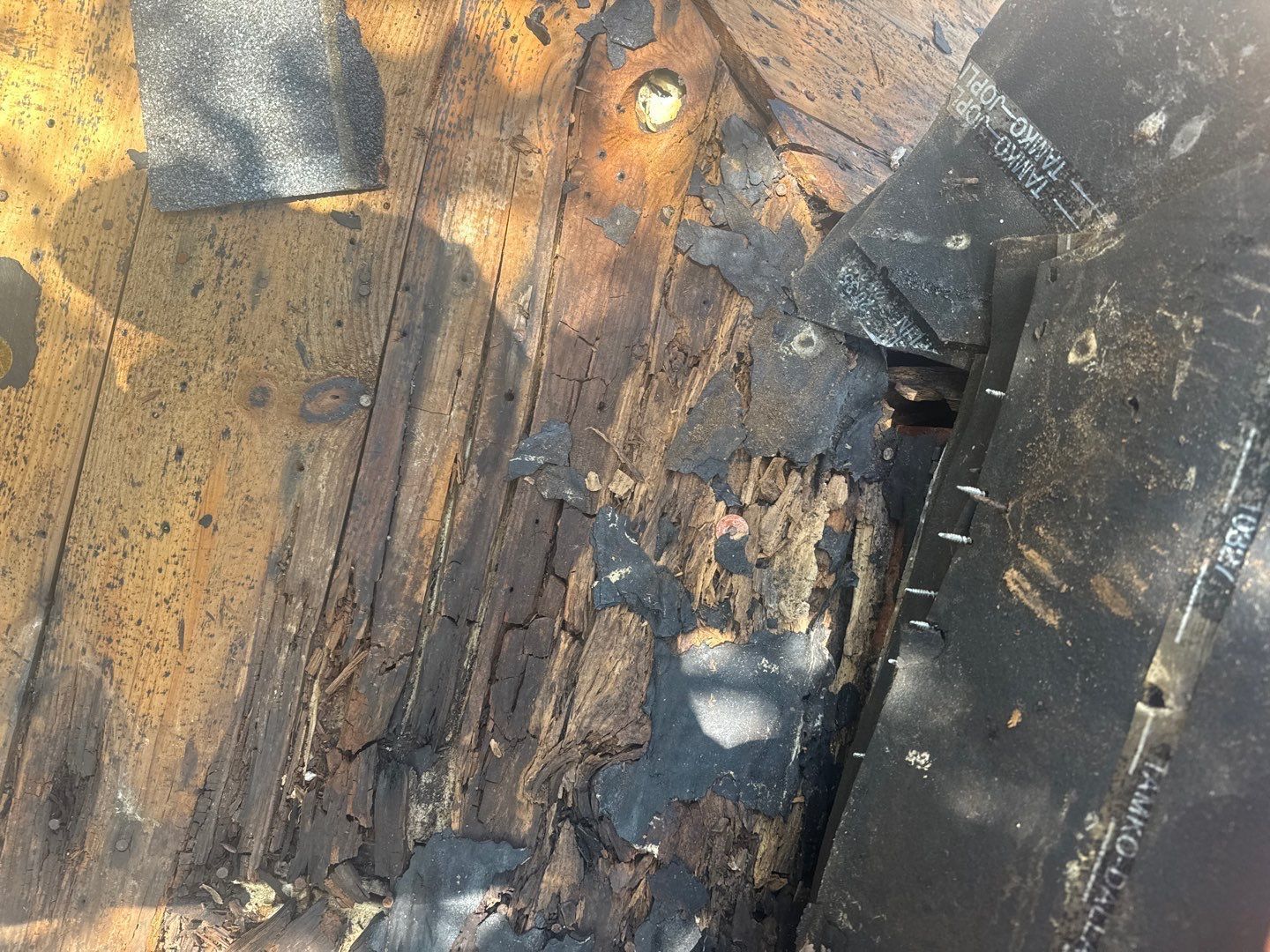
The roof's structural elements are vital to inspect for any water infiltration or physical stress damage. Rafters and trusses require checks for signs of moisture damage, such as soft spots or discoloration, indicating water leaks. Insulation should also be examined for dampness or mold, suggesting inadequate ventilation or leaks. The attic space is crucial, offering first-hand evidence of water penetration, often before it becomes apparent inside living spaces. Regular assessment of these components can prevent structural weakening and costly repairs.
Inspecting the roof's drainage and ventilation systems is crucial in ensuring its longevity and effectiveness. Clogged gutters or blocked drainage can lead to pooling water, causing rot or leaks. Proper ventilation prevents moisture buildup that can compromise structural integrity or lead to temperature fluctuations inside the home. Regular inspection by a local roofing company ensures that these systems function correctly and efficiently, preserving roof durability. Early detection and resolution of such issues contribute significantly to maintaining optimal roof condition.
Tools Needed for a Thorough Inspection
Conducting a comprehensive roof inspection requires specific tools to ensure a thorough evaluation. Basic tools like ladders and safety harnesses are essential for physical access to the roof and personal safety. Binoculars and cameras help in examining hard-to-reach areas, enabling inspectors to scrutinize surfaces closely without endangering themselves. Moisture meters are also crucial, detecting water infiltration within roof layers that could lead to mold growth. These tools together facilitate a detailed inspection process, maximizing issue detection.
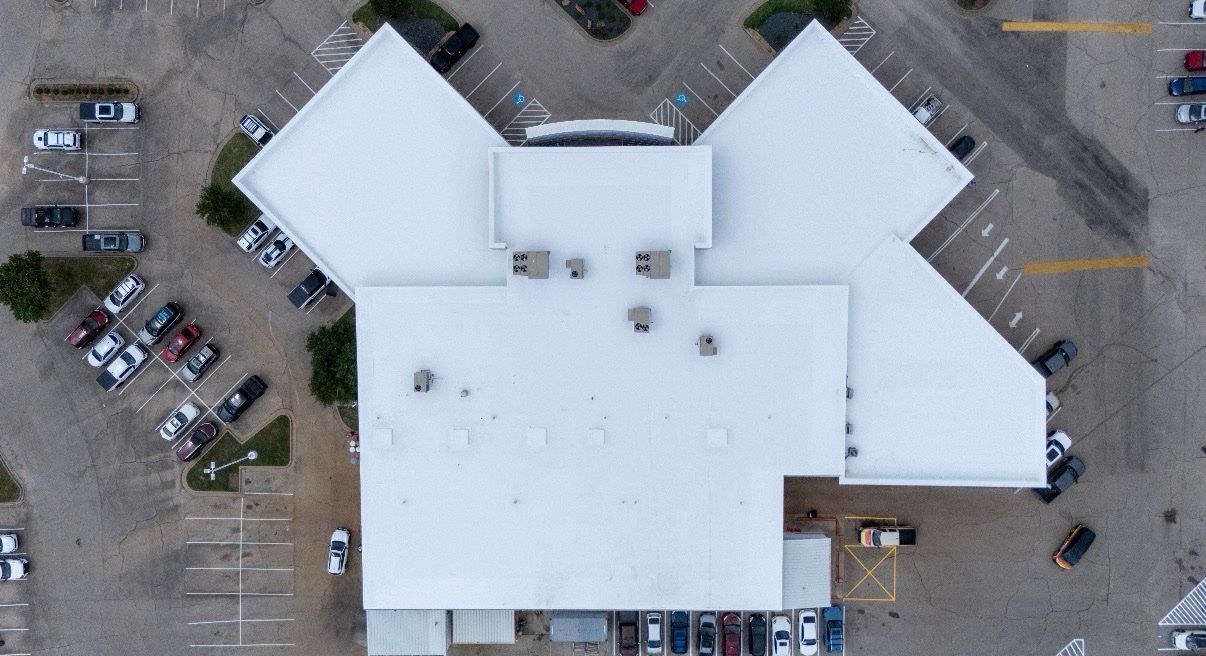
Advanced tools such as drones and infrared cameras enhance inspection accuracy and safety. Drones can inspect large or complex roofs with challenging angles, offering a broader view and eliminating the need for physical access. Infrared cameras detect temperature differences, indicating areas of moisture infiltration or insulation failure. These technological advancements allow for more precise evaluations, significantly enhancing the quality of roof inspections. By integrating traditional and modern tools, inspections can be both comprehensive and efficient.
Safety equipment is a non-negotiable aspect of any roof inspection, ensuring the well-being of those conducting the evaluation. Helmets, gloves, and proper footwear are essential, especially given the slippery nature of roof surfaces. In addition to this, personal protective equipment such as eye protection and knee pads can protect against unforeseen hazards during inspections. Proper use of these tools not only improves inspection safety but also enhances inspectors' ability to thoroughly and effectively conduct roof evaluations. Safety and accuracy are therefore interlinked in achieving effective inspections.
DIY vs. Professional Inspections
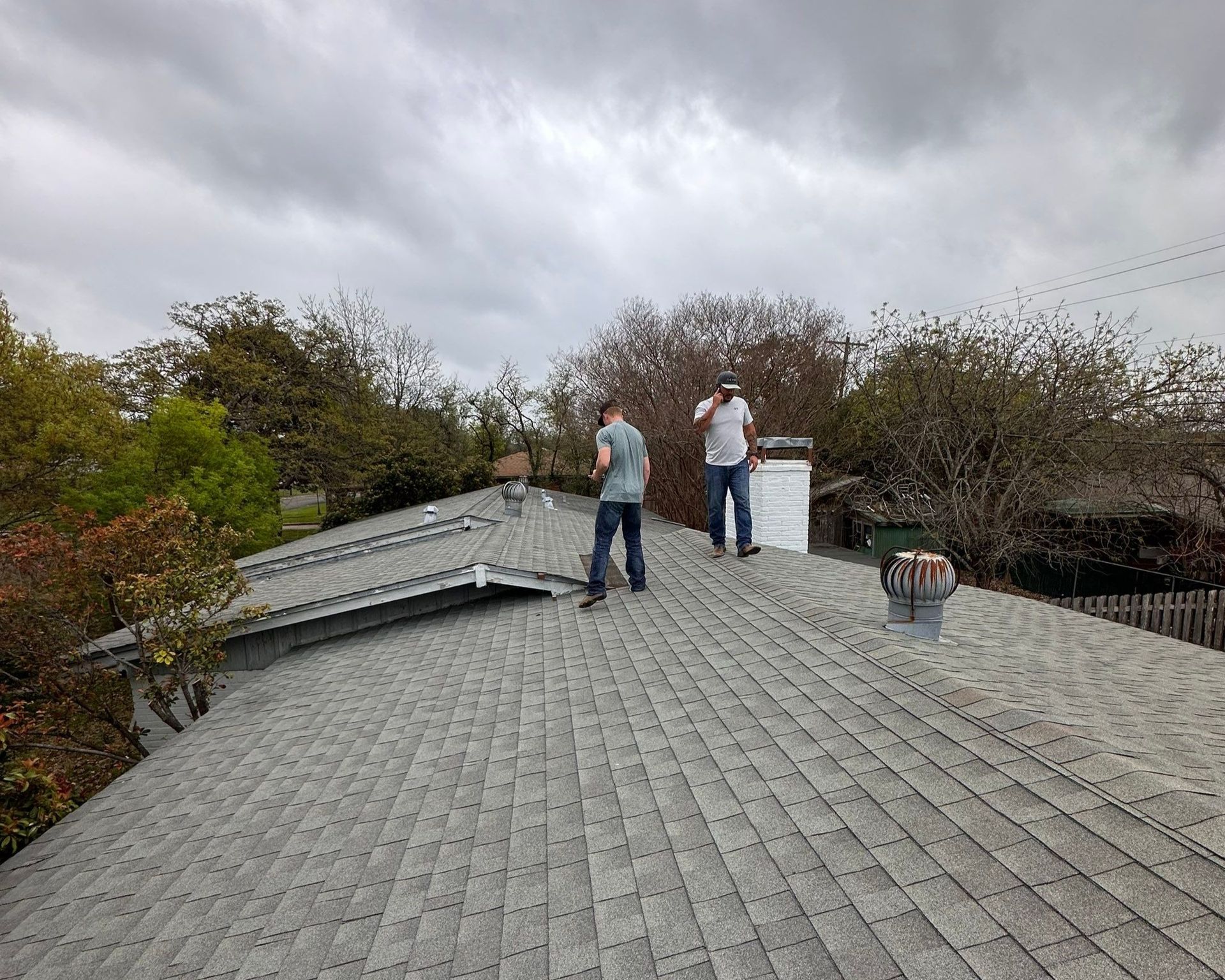
Homeowners face the option of conducting their own roof inspections or hiring professional inspectors. DIY inspections can be cost-effective but may lack the expertise professionals bring, risking overlooked issues. Professionals are equipped with specialized tools and a trained eye, significantly enhancing the identification and resolution of roof problems. Their assessments often come with detailed reports, offering insights into the roof's current state and future maintenance recommendations. While DIY can be appealing for minor checks, professional inspections by a local roofing company offer a comprehensive and assured approach.
Professional inspectors provide a depth of experience and training that DIY enthusiasts often lack, particularly in identifying subtle signs of deterioration. They offer the benefit of expertise in specific roof types and potential issues unique to those materials or designs. Professional inspections are also documented more thoroughly, which can be advantageous when dealing with insurance claims or potential home sales. Although more costly upfront, the peace of mind and long-term savings from avoiding expensive repairs can be worthwhile. Opting for professionals essentially invests in the roof's longevity and optimal performance.
In the end, regular residential roof inspections are one of the smartest investments a homeowner can make. By staying proactive and addressing minor concerns early, you can avoid costly repairs, extend the life of your roof, and protect the overall integrity of your home. Whether you choose to perform basic checks yourself or rely on a local roofing company like The Roof Co for a more thorough evaluation, consistency is key. Reach out to us today to get started!