July 15, 2026
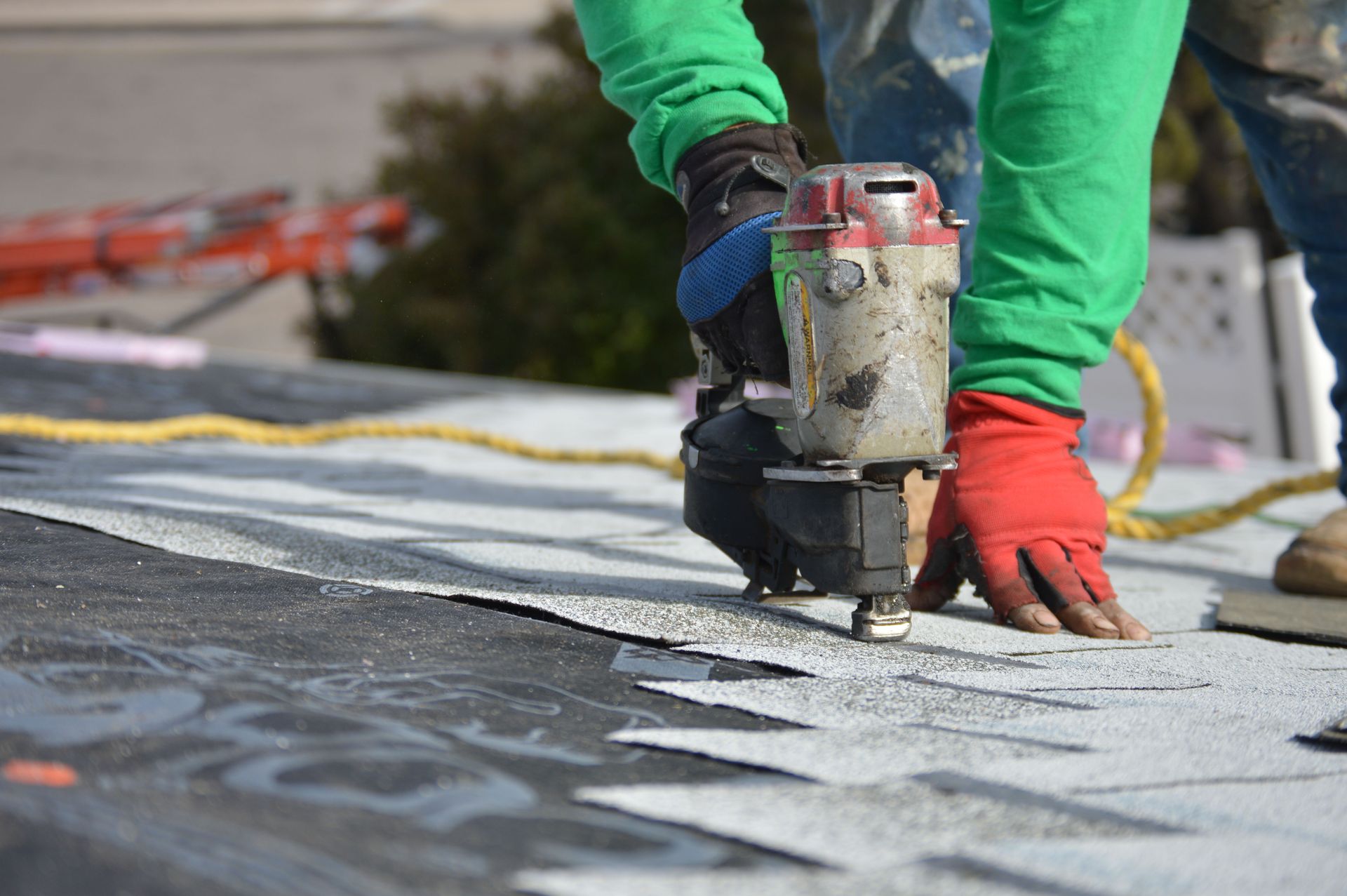
The roof of a home serves as its first line of defense against various environmental elements. Roofers play an essential role in maintaining the structural integrity and safety of residential buildings. Without their expertise, homes would be exposed to a host of damaging factors such as weather, pests, and poor workmanship. Here, we will explore how professional roofers address the common causes of home damage through preventative and corrective measures. The integration of modern roofing techniques and technology allows homeowners to protect their investments and ensure long-lasting durability.
Understanding Weather-Related Damage
Weather can significantly impact the condition of a roof, making it highly susceptible to damage during extreme conditions. Roofers employ several techniques to combat the effects of heavy rainfall, such as installing water-resistant barriers and ensuring correctly sloped gutters. These measures help direct water flow away from the roof and foundation, minimizing potential damage. Additionally, quality roofing materials with water-resistant properties help prevent leaks and water damage. Vigilant inspection and maintenance schedules allow roofers to identify and address potential water ingress points before they become serious.
In regions prone to snow and ice, roofers focus on preventing the formation of ice dams and reducing snow buildup on roofs. Ice dams can cause water to seep under shingles, leading to leaks and structural damage. To combat this, roofers ensure proper attic ventilation, install ice and water shield membranes, and use roof heating cables as necessary. Regular removal of snow from roofs can also prevent excess weight and potential collapse. Roofers educate homeowners on the importance of monitoring snow loads and taking action when necessary to maintain roof safety.
High winds can wreak havoc on roofs, especially those with poor structural integrity or lightweight materials. Roofers reinforce shingles and roof structures by using stronger adhesives and securing roofing materials with additional fasteners. These proactive measures significantly reduce the likelihood of wind-related damage. Roofers also recommend using high-quality, wind-resistant materials that can withstand extreme gusts. According to the Insurance Institute for Business & Home Safety, roof-related failures cause 70% to 90% of total insured residential catastrophic losses in a typical year, highlighting the essential nature of these mitigation strategies.
Addressing Structural Damage
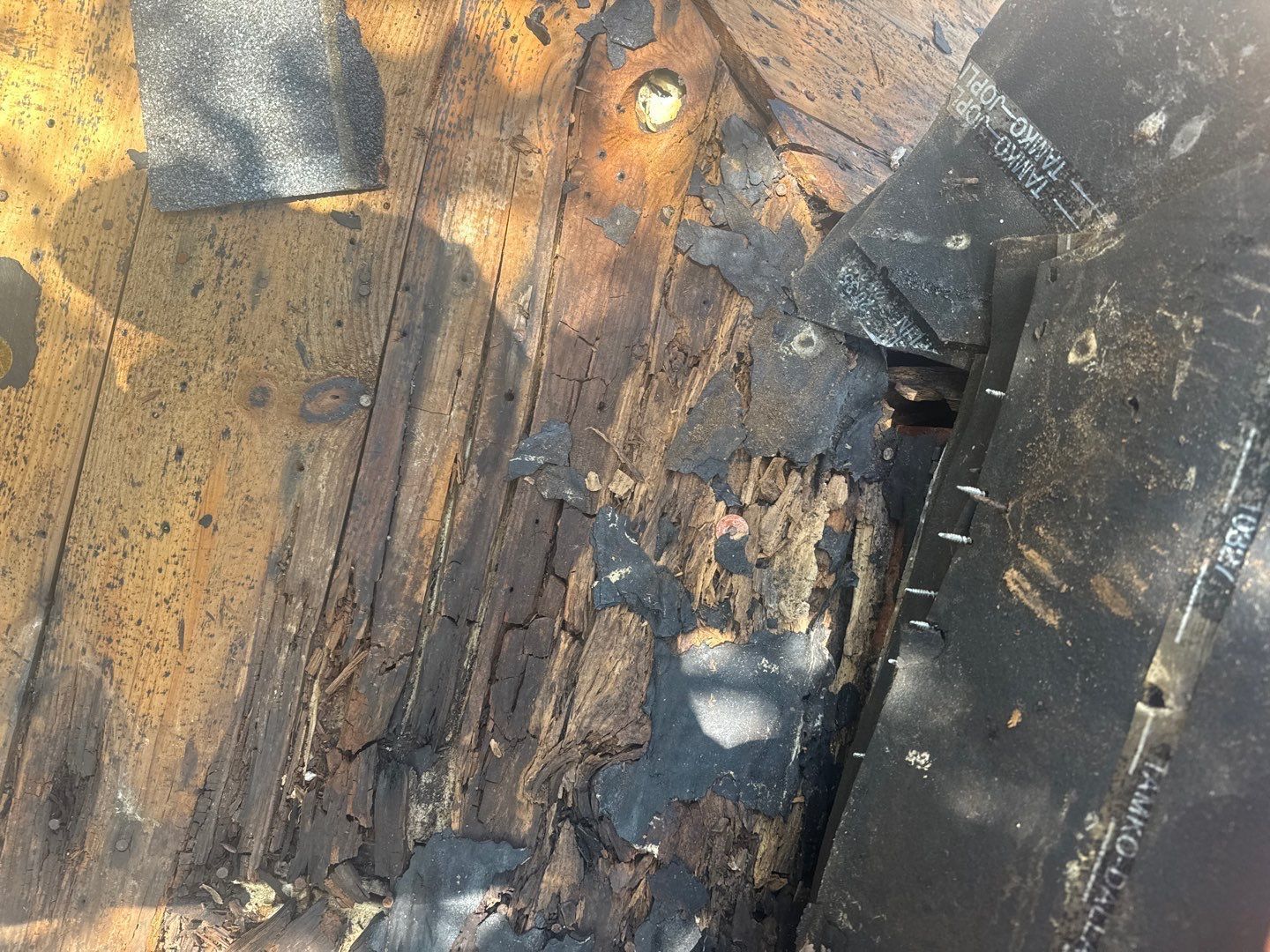
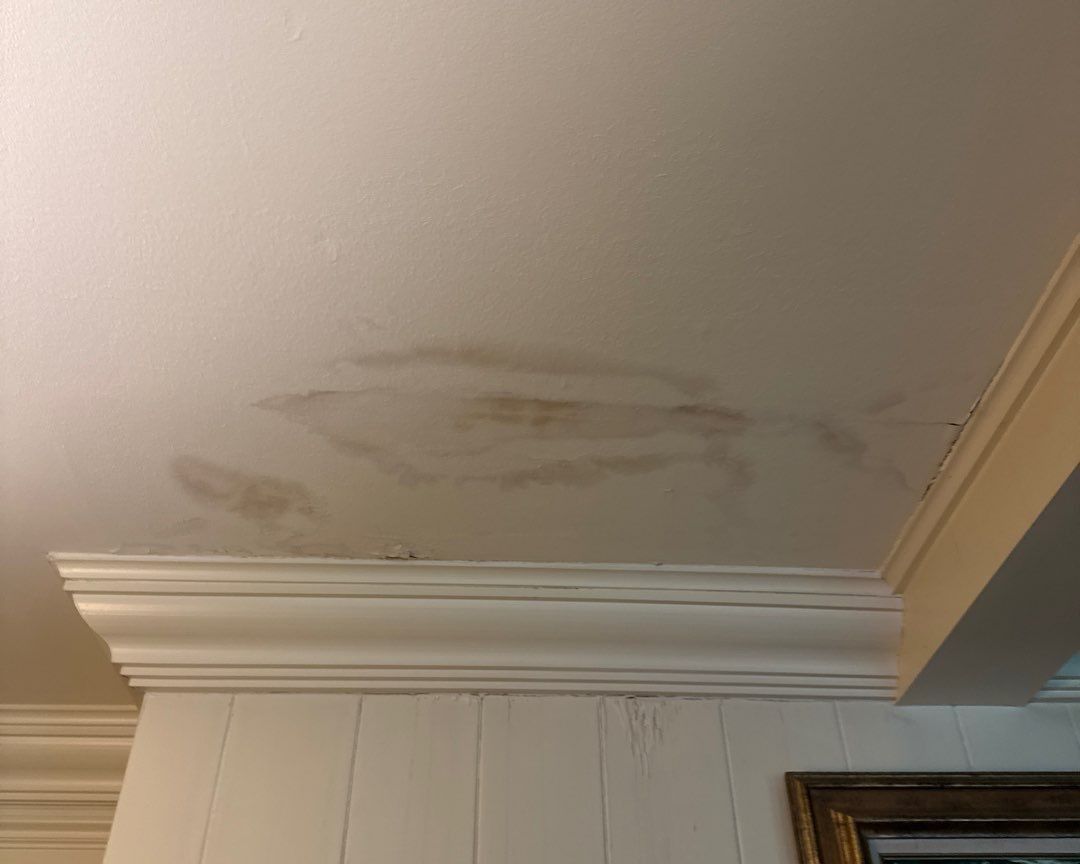
Structural damage to roofs often leads to severe problems if not addressed promptly. Leaks are one of the most common issues, often arising from improperly installed flashing, damaged shingles, or clogged gutters. Roofers conduct thorough assessments to identify leak-prone areas and implement appropriate repairs. By replacing damaged components and ensuring water-tight seals, they protect homes from potential water damage. Regular inspections and maintenance help prevent the recurrence of leaks, safeguarding the home's structural integrity.
Sagging rooflines can result from various factors, including age, improper construction, or environmental stress. Roofers employ structural reinforcement techniques to correct and prevent further sagging. This may involve installing additional support beams or braces to redistribute weight evenly. Identifying underlying causes, such as poor attic ventilation or excess moisture, is also crucial to addressing sagging. By ensuring roofs remain structurally sound, roofers prevent future complications that could compromise the entire building.
Managing Pest-Related Deterioration
Pests pose a significant threat to roofs, often leading to structural deterioration. Birds and bats, for instance, are known for nesting in eaves and vents, causing damage and creating health hazards. Roofers implement deterrents such as bird spikes and exclusion techniques to prevent these animals from establishing nests on roofs. By sealing potential entry points, roofers protect roofing materials and prevent damage caused by nesting activities. Regular inspections ensure that deterrent methods remain effective and the roof remains pest-free.
Squirrels and rodents, known for their gnawing habits, can cause substantial damage to roofs. Roofers address this issue by repairing entry points and installing protective barriers around vulnerable areas such as vents and eaves. By utilizing strong materials and reinforcements, they prevent pests from accessing the roof and causing further harm. Homeowners are also advised on maintaining nearby trees and vegetation to reduce rodent access to roofs. These precautionary measures go a long way in safeguarding roofs from pest-induced deterioration.
Termites and other wood-boring insects can compromise the structural integrity of roofs. Roofers conduct thorough inspections to identify signs of termite damage and apply necessary treatments. Preventing insect infestations often involves treating wood with protective chemicals or using insect-resistant materials. Regular monitoring allows early detection of infestations, ensuring timely intervention. By maintaining vigilance and applying proactive pest management strategies, roofers protect roofs from severe damage caused by these destructive insects.
Combating Mold and Mildew Growth
Mold and mildew pose significant risks to both the roof's integrity and the home's indoor air quality. Roofers specialize in identifying mold-prone areas through detailed inspections, often revealing hidden mold that might otherwise go unnoticed. By conducting thorough inspections, they ensure early detection and treatment of mold infestations. Frequent inspection and maintenance regimens help prevent mold from becoming a significant problem. Roofers also advise homeowners on maintaining optimal indoor and attic humidity levels through proper ventilation and moisture control techniques.
Controlling moisture is paramount in preventing mold growth, as it thrives in damp conditions. Roofers recommend various techniques to manage moisture, such as using vapor barriers and upgrading insulation. Proper attic ventilation also plays a crucial role in moisture control, facilitating airflow and preventing condensation buildup. Roofers provide guidance on maintaining effective ventilation systems to reduce mold risks. Through these preventative measures, roofers help maintain healthy living environments and extend the lifespan of roofing materials.
Proper roof cleaning is essential in preventing mildew and mold formation. Roofers utilize safe cleaning methods to remove existing mold growth and prevent recurrence. Regular cleaning and maintenance routines ensure that roofs remain free from organic debris and water-trapping materials. Roofers may also recommend the use of mold-resistant roofing materials that minimize the potential for infestations. By prioritizing proper cleaning practices, roofers contribute to a healthier home environment and improved roof longevity.
Handling Poor Installation and Maintenance Practices
Poor installation practices can lead to numerous issues, including structural weaknesses and premature roof failure. Roofers are adept at identifying signs of subpar workmanship, which may include inconsistent shingle placement or improper flashing. Recognizing these signs early allows roofers to address concerns before they escalate into major problems. Roofers often rectify poor installations by reinforcing weak points and replacing improperly installed components. Emphasizing quality craftsmanship is crucial to ensuring roofs are built to last and withstand environmental challenges.
Routine inspections and maintenance are vital in identifying potential problems and prolonging the lifespan of roofs. Roofers advocate for regular inspection schedules, allowing for the early detection of issues such as loose shingles or damaged flashing. By performing inspections, roofers can address minor repairs before they evolve into costly, significant repairs. Routine maintenance also includes cleaning gutters and ensuring proper roof drainage, preventing moisture-related damage. Through consistent upkeep, homeowners safeguard their investments and reduce the risk of unexpected damage.
Improving Energy Efficiency
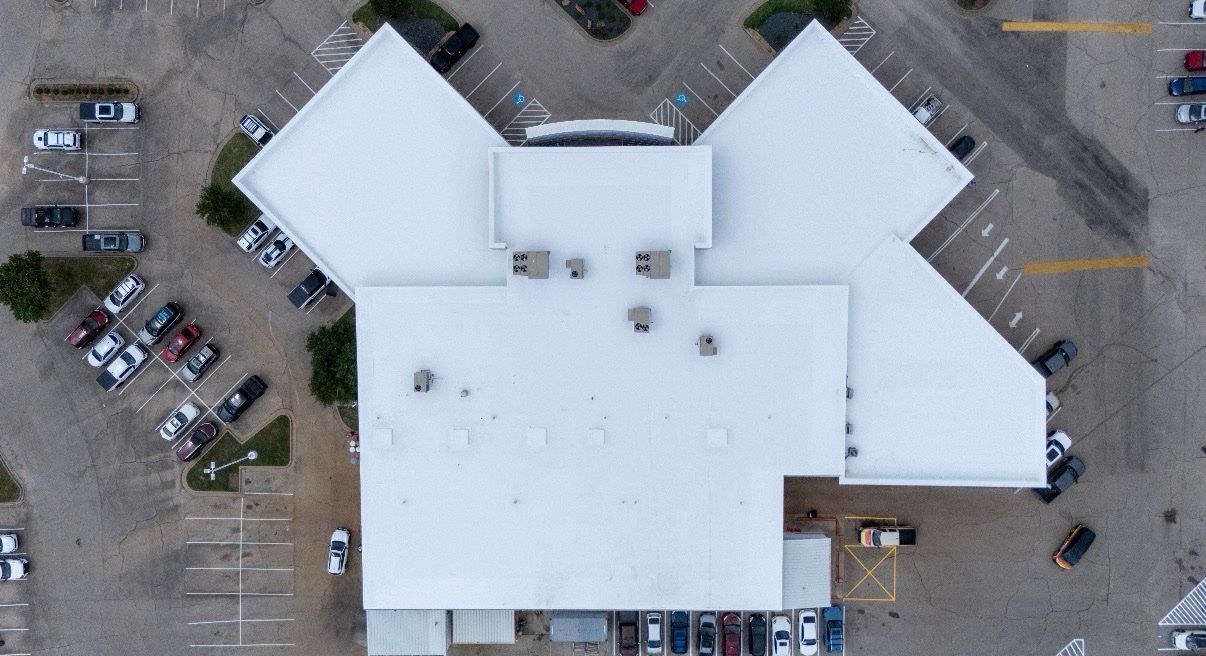
Energy-efficient roofing solutions are gaining popularity due to their ability to reduce energy consumption and costs. Roofers employ solar reflectance techniques, such as reflective coatings, to mitigate heat absorption and lower cooling demands. By selecting and applying reflective materials, they enhance energy efficiency and comfort within homes. Roofers also emphasize the importance of proper insulation to prevent energy loss through roof spaces. Insulation improvements contribute significantly to maintaining stable indoor temperatures and reducing energy bills.
Roofers guide homeowners on selecting energy-efficient materials that promote sustainability and cost savings. Roofing material choices include cool roofs, which reflect more sunlight and absorb less heat than traditional roofs. These materials contribute to reduced energy consumption, especially during hot summer months. Proper attic ventilation is another factor in energy efficiency, as it facilitates heat dissipation and reduces HVAC workload. By considering energy-efficient options, homeowners can enhance the overall performance and sustainability of their homes.
Roofers play a pivotal role in protecting homes from diverse threats by employing a balance of proactive and reactive strategies. From addressing weather-related challenges to optimizing energy efficiency, their expertise ensures homes remain safe and sustainable. By utilizing modern techniques and materials, roofers prevent and resolve common sources of home damage. Their emphasis on routine inspections, maintenance, and staying current with industry standards reinforces their commitment to quality work. The efforts of roofers safeguard homes, contributing to long-term comfort and protection for homeowners. Contact The Roof Co today to schedule a comprehensive inspection and ensure your home stays protected for years to come.