July 23, 2026
Energy efficiency has become one of the most important priorities for property owners looking to reduce operating costs while creating more sustainable buildings. Advances in roofing technology have made it possible to improve indoor comfort without sacrificing durability or curb appeal. Modern reflective roofing systems are specifically engineered to minimize heat absorption by reflecting more sunlight away from the building. As homeowners and commercial property managers become more conscious of long-term energy savings, roofing companies continue introducing innovative products designed to improve performance in a wide range of climates. Selecting the right roofing materials can lower cooling expenses, extend roof life, and contribute to environmentally responsible construction. Understanding how reflective roofing works allows property owners to make informed decisions that benefit both their budgets and the environment.
Understand How Reflective Roofing Works
Reflective roofing systems are designed to reduce the amount of solar heat that enters a building. Traditional roofing materials often absorb sunlight, causing roof surfaces to become extremely hot during the summer months. Reflective materials, however, use specialized coatings, pigments, or finishes that redirect a significant portion of solar radiation away from the structure.
This reduction in heat absorption helps keep attic spaces and interior rooms cooler throughout the day. Lower indoor temperatures reduce the workload placed on air conditioning systems, allowing them to operate more efficiently while consuming less electricity. Roofing companies frequently recommend reflective systems for homes and businesses located in warmer climates where cooling costs remain high throughout much of the year.
Improve Energy Efficiency Throughout the Building
One of the greatest advantages of reflective roofing is its ability to improve overall building efficiency. Because less heat enters the structure, HVAC equipment does not need to work as hard to maintain comfortable indoor temperatures. This leads to lower monthly utility bills while reducing wear on heating and cooling equipment.
Energy-efficient roofing also creates more consistent indoor temperatures. Rooms directly beneath the roof often remain cooler, helping eliminate uncomfortable hot spots that develop during sunny afternoons. Better temperature regulation contributes to a more pleasant living and working environment for occupants throughout the year.
Reduce Cooling Costs During Hot Weather
Summer cooling expenses represent a significant portion of many household and commercial energy bills. Roof surfaces exposed to direct sunlight can reach extremely high temperatures, transferring heat into the building below. Reflective roofing minimizes this heat transfer, reducing indoor temperatures naturally before mechanical cooling systems are needed.
Buildings with reflective roofs often experience noticeable decreases in energy consumption during warm months. Although savings vary based on climate, roof design, insulation levels, and building size, reducing cooling demand consistently provides long-term financial benefits. Property owners frequently recover part of their initial roofing investment through years of lower utility expenses.
Extend the Lifespan of Roofing Materials
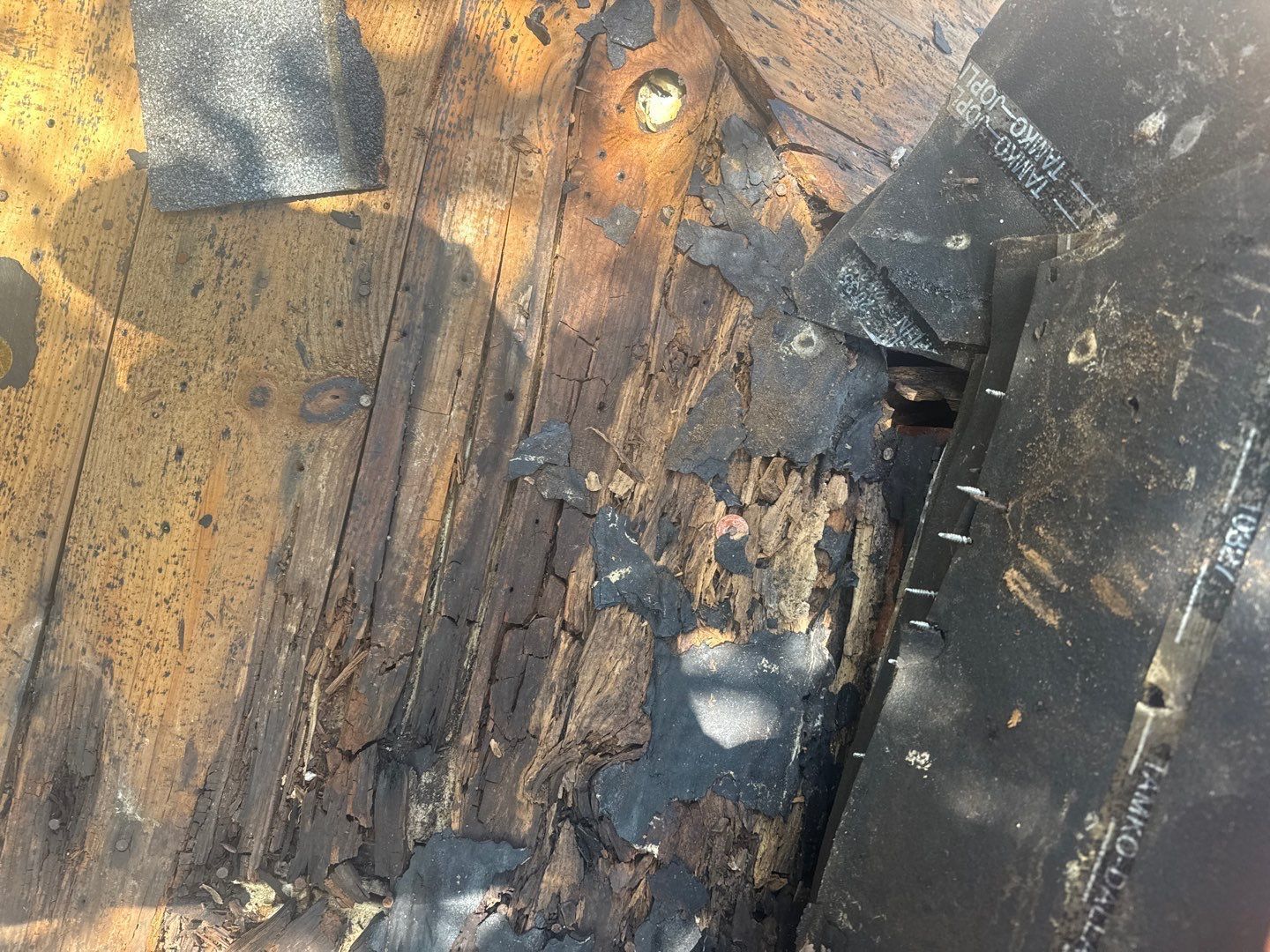
Excessive heat places considerable stress on roofing materials over time. Daily expansion and contraction caused by fluctuating temperatures gradually weaken shingles, membranes, and structural components. Reflective roofing reduces surface temperatures, limiting thermal movement that contributes to premature aging.
Lower roof temperatures also help minimize ultraviolet damage that can deteriorate many traditional roofing products. By reducing these environmental stresses, reflective systems often remain in excellent condition for longer periods with fewer maintenance concerns. Many roofing companies recommend reflective products as part of a long-term asset management strategy because improved durability can delay costly roof replacements.
Support Sustainable Construction Practices
Reducing energy consumption benefits both individual property owners and the environment. Buildings account for a significant share of overall energy use, making improvements in roofing efficiency an important component of sustainable construction.
Reflective roofs help lower greenhouse gas emissions by decreasing electricity demand associated with air conditioning. When many buildings within a community utilize reflective roofing, they may also help reduce the urban heat island effect, where large concentrations of dark surfaces cause cities to become noticeably warmer than surrounding rural areas.
Environmentally conscious property owners increasingly choose roofing materials that align with green building standards and sustainability goals while maintaining attractive architectural designs.
Choose From a Wide Variety of Roofing Materials
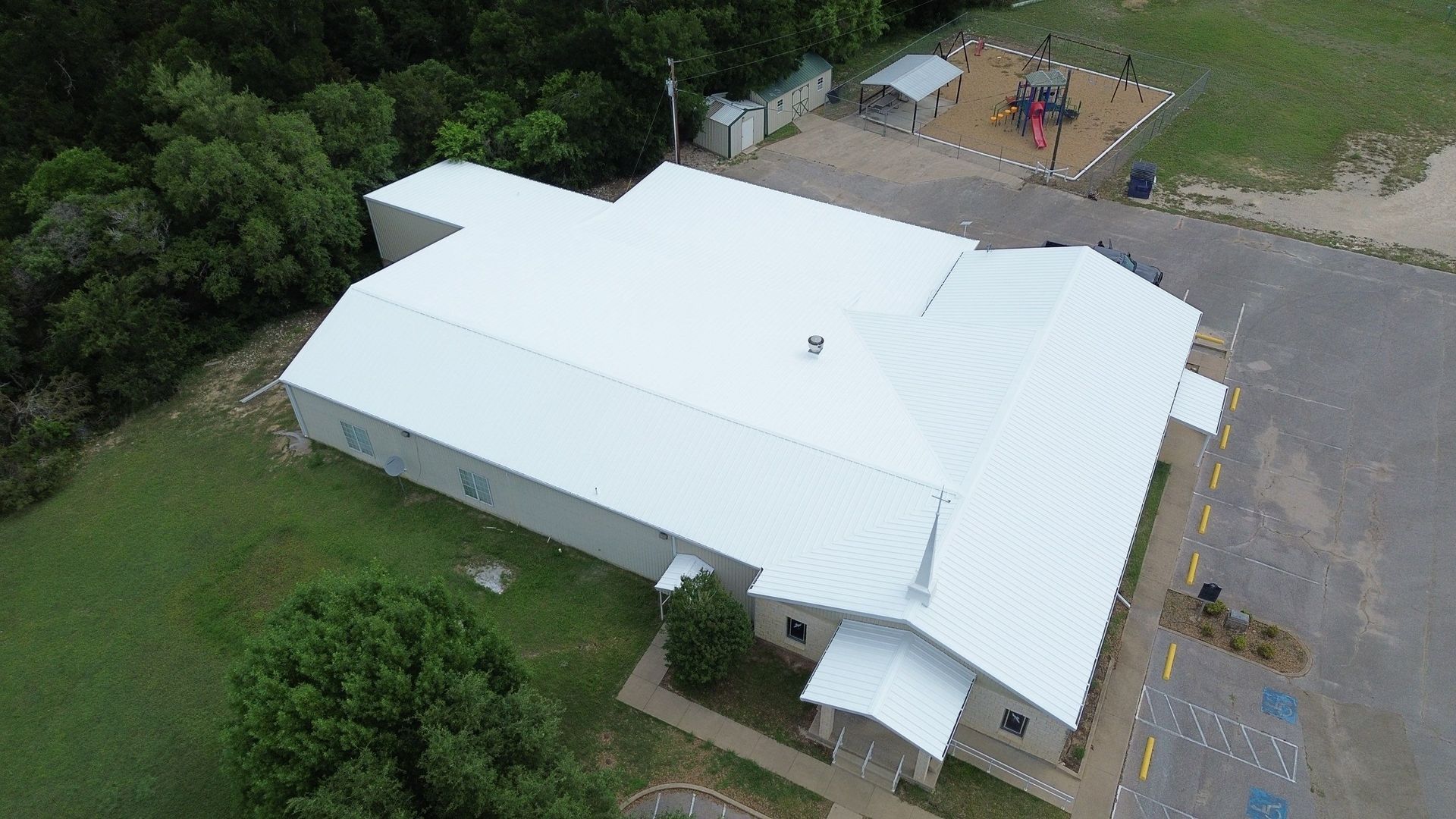
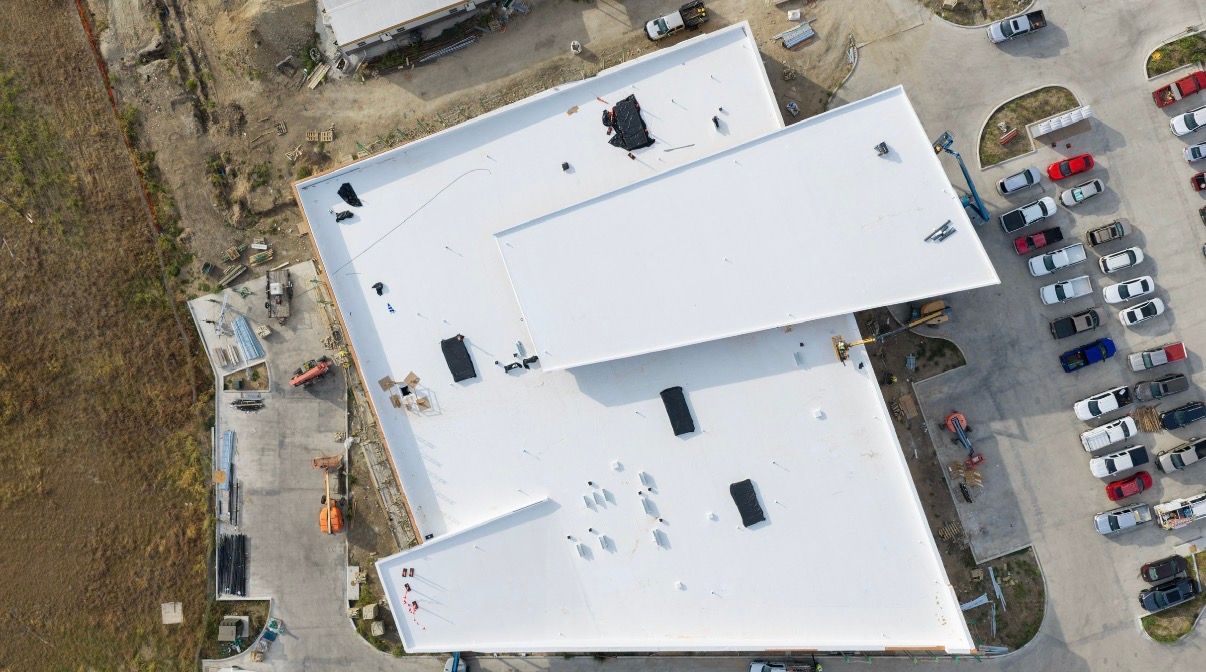
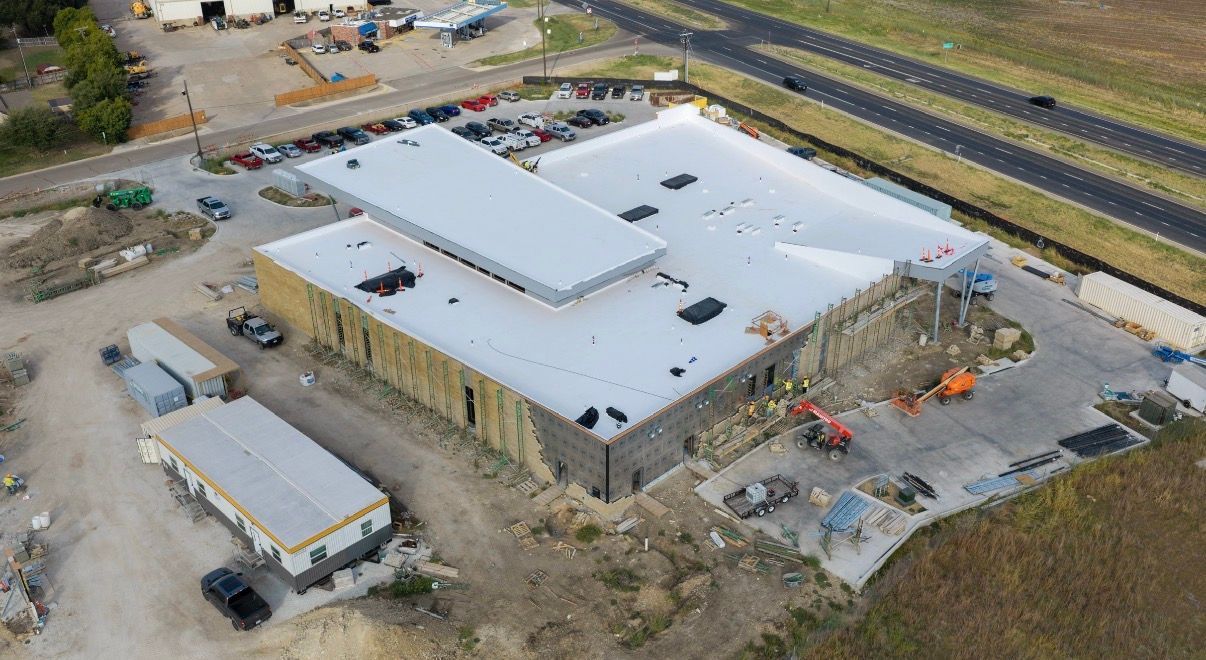
Reflective roofing is no longer limited to bright white commercial membranes. Advances in manufacturing now allow reflective technology to be incorporated into numerous roofing materials suitable for residential and commercial applications.
Metal roofing systems offer naturally reflective properties while providing exceptional durability. Asphalt shingles are now available with reflective granules that improve solar performance without dramatically changing appearance. Clay tiles, concrete tiles, synthetic roofing materials, and specialized roof coatings also provide energy-efficient alternatives for different architectural styles.
This variety allows property owners to balance aesthetics, performance, and budget when selecting a roofing system.
Pair Reflective Roofs With Solar Energy Systems
Reflective roofing works exceptionally well alongside rooftop solar panels. Cooler roof surfaces help create a more favorable environment for photovoltaic equipment, which generally performs more efficiently at lower operating temperatures.
Combining reflective materials with renewable energy technologies enables buildings to maximize overall energy performance. While solar panels generate electricity, reflective roofing simultaneously reduces cooling demand, creating complementary energy-saving benefits.
Many property owners planning solar installations consider upgrading their roofing materials beforehand to maximize long-term performance and reduce future replacement concerns.
Maintain Reflective Performance Over Time
Although reflective roofing requires relatively little maintenance, routine care remains essential for preserving energy efficiency. Dirt, leaves, algae, and airborne pollutants gradually accumulate on roof surfaces, reducing their ability to reflect sunlight effectively.
Regular roof inspections help identify debris buildup, drainage issues, damaged flashing, or worn sealants before they become larger problems. Cleaning reflective surfaces according to manufacturer recommendations restores much of their original performance while extending the life of the roofing system.
Professional inspections also allow minor repairs to be completed before they develop into expensive structural issues.
Consider Local Climate Before Installation
Climate plays an important role when evaluating reflective roofing options. Properties located in regions with long, hot summers generally experience the greatest reductions in cooling costs because they receive consistent solar exposure throughout much of the year.
In cooler climates, property owners should carefully balance summer energy savings with winter heating considerations. Proper insulation, attic ventilation, and overall building design influence how reflective roofing performs under different seasonal conditions.
Experienced roofing companies can evaluate regional weather patterns and recommend materials that provide the best overall performance for each property's specific needs.
Work With Qualified Roofing Professionals
Even the highest-quality roofing materials depend on proper installation for maximum performance. Incorrect installation can reduce energy efficiency, shorten roof lifespan, and create moisture problems that require expensive repairs.
Qualified contractors understand manufacturer installation requirements, local building codes, ventilation standards, flashing techniques, and waterproofing details that ensure long-lasting results. Careful workmanship protects both the roofing system and the building beneath it.
Property owners should verify licensing, insurance, warranties, and previous project experience before selecting a contractor. Reputable roofing companies also provide detailed inspections, written estimates, and maintenance recommendations that help customers protect their investment for many years.
Prepare for Future Roofing Innovations
Roofing technology continues evolving rapidly as manufacturers develop increasingly efficient materials. Researchers are introducing advanced coatings, improved pigments, and smarter roofing systems capable of monitoring temperature, moisture, and overall roof condition in real time.
Future roofing systems may integrate artificial intelligence, automated maintenance alerts, and enhanced energy management features that further improve building efficiency. As construction standards continue emphasizing sustainability, reflective roofing will likely remain an important part of modern building design.
Property owners who invest in energy-efficient roofing today position themselves to benefit from lower operating costs while supporting broader environmental goals for decades to come.
Reflective roofing offers numerous advantages for residential and commercial properties by reducing heat absorption, lowering cooling costs, extending roof lifespan, and supporting environmentally responsible construction. Continued improvements in materials and installation techniques make these systems more versatile than ever before. Whether replacing an aging roof or planning new construction, investing in reflective technology provides long-term financial and environmental benefits. By working with experienced roofing companies and selecting materials suited to local climate conditions, property owners can enjoy improved comfort, reduced energy consumption, and durable roofing performance well into the future. Contact our team at The Roof Co today and learn more about our roofing services.